Vegetable and seed oils vs. Animal fat oil: Which Is the healthy choice

1d752c48-9f27-499e-80c2-c47754c2f6cf

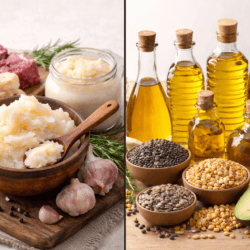
The seed oil versus animal fat debate has gone from a niche topic among wellness influencers on social media to an entire movement. … Many critics promote swapping seed oils for animal fats like butter, beef tallow and lard. Just two decades after the fat-free era of the early 2000s, people are now fighting about which fat is best.

Follow the latest news and policy debates on sustainable agriculture, biomedicine, and other ‘disruptive’ innovations. Subscribe to our newsletter.

All seed oils are vegetable oils, but not all vegetable oils are seed oils. Other vegetable oils may be extracted from the fruit or pulp of the plant, such as olive, avocado and coconut oils.

โ€œSeeds are a high-fat food … so we take the seeds and extract all the fat out of them and leave behind the fiber and the protein,โ€ says [Dr. Nate Wood, director of culinary medicine at the Yale School of Medicine.

“Seed oils are largely unsaturated fats, which we know are really healthy,” says Wood. These include polyunsaturated and monounsaturated fats, which are “good” fats.

Many critics believe seed oils are harmful because they have a high omega-6 content and theyโ€™re found in ultraprocessed foods. Some people also say the refining process makes seed oils “toxic. Nutritional science can be confusing, but any claims that seed oil is poisonous are โ€œscientifically wrong.

Animal fats, such as butter or tallow, aren’t exactly superfoods, but they may be healthy when eaten in moderation occasionally, as part of a healthy diet, the experts note.

The main issue is their high saturated fat content, which can raise “bad” LDL cholesterol. “Saturated fats are not beneficial in any way,” says Wood.

{T]here’s no clear evidence to support using animal fat instead of seed oil

This is an excerpt. Read the original post here

{{ reviewsTotal }}{{ options.labels.singularReviewCountLabel }}
{{ reviewsTotal }}{{ options.labels.pluralReviewCountLabel }}
{{ options.labels.newReviewButton }}
{{ userData.canReview.message }}

Related Articles

Infographic: Global regulatory and health research agencies on whether glyphosate causes cancer

Infographic: Global regulatory and health research agencies on whether glyphosate causes cancer

Does glyphosateโ€”the world's most heavily-used herbicideโ€”pose serious harm to humans? Is it carcinogenic? Those issues are of both legal and ...

Most Popular

ChatGPT-Image-Apr-16-2026-02_56_53-PM
Financial incentives, over diagnosis, and weak oversight: Autism claims are driving up Medicare costs
Screenshot-2026-05-08-at-11.55.47-AM
Anti-vax activists falsely blame COVID vaccines for the rising U.S. cancer rate among younger people.
Picture1
The FDA couldnโ€™t find a vaccine safety crisis, so it buried its own research
vax-misinformation-main
GLP podcast: Limit free speech to blunt social media misinfo?
ChatGPT-Image-May-7-2026-12_32_36-PM
Viewpoint: The state of U.S. vaccine policy? Dismal nationally, but some states are stepping up.
Screenshot-2026-04-22-at-12.21.32-PM
Viewpoint: Why the retracted Monsanto glyphosate study doesnโ€™t change the scienceโ€”the worldโ€™s most popular herbicide is safeย 
ChatGPT-Image-May-12-2026-11_27_01-AM-2
AI likely to improve health care, research showsโ€”but not for blacks and ethnic minorities
modi visit sikkim
Viewpoint: Indian PM wants farmers to switch to 50% organic. It would take at least 10 years, likely wonโ€™t work, and isnโ€™t more sustainable
Screenshot-2026-05-19-at-11.23.34-AM
West-originated vaccine disinformation sparks murders of health care workers across Africa
placebo
Viewpoint โ€” Alternative medicine and the placebo effect: Selling a reassuring illusion of health
glp menu logo outlined

Get news on human & agricultural genetics and biotechnology delivered to your inbox.