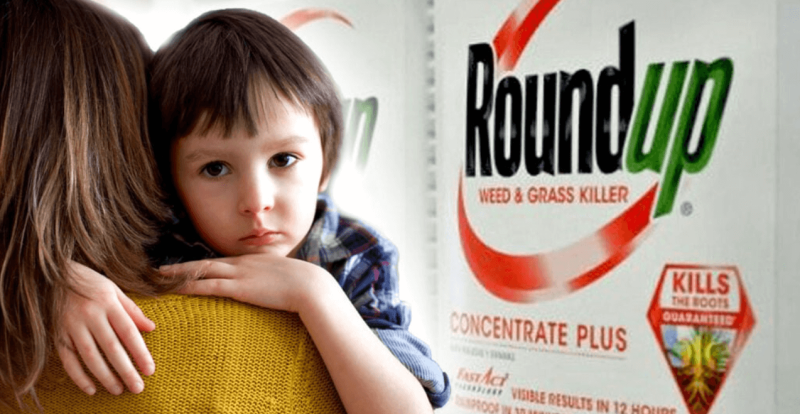
In the annals of failed doomsday predictions, Dr. Stephanie Seneff’s claim that half of all U.S. children would be autistic by 2025 due to glyphosate exposure deserves a special place. As we find ourselves in 2025, with autism rates nowhere near her apocalyptic vision [it’s estiamted at 3.4%; she was off by 1600%], it’s worth revisiting this extraordinary claim and why it never had a scientific leg to stand on.
[Seneff, a senior computer research scientist at MIT with no background in public health, agricultural science, or toxicology, made a controversial prediction in a 2014 interview that by 2025, the autism rate in the United States could reach 1 in 2 children. She attributed this projected increase to the widespread use of glyphosate, the active ingredient in Roundup, arguing that it plays a role in various health issues, including neurological disorders.]
Seneff … relied on correlation-based arguments, often showing graphs of rising glyphosate use alongside rising autism diagnoses….Correlation does not imply causation, but that never seemed to stop Seneff from making bold (and wildly incorrect) claims. [Scientists critical of Seneff mockingly noted that autism rates also tracked organic food sales.] While Seneff’s prediction may be amusing in hindsight, the spread of misinformation about autism and glyphosate has real-world consequences. Fearmongering about vaccines, pesticides, and GMOs distracts from actual research into autism and can mislead parents into making harmful choices.
…




As we sit comfortably in 2025, it’s clear that Seneff’s prediction was as reliable as a doomsday cult leader’s end-of-the-world date. The sky didn’t fall, half the kids in the U.S. didn’t become autistic, and glyphosate remains one of the most studied and debated herbicides in the world.