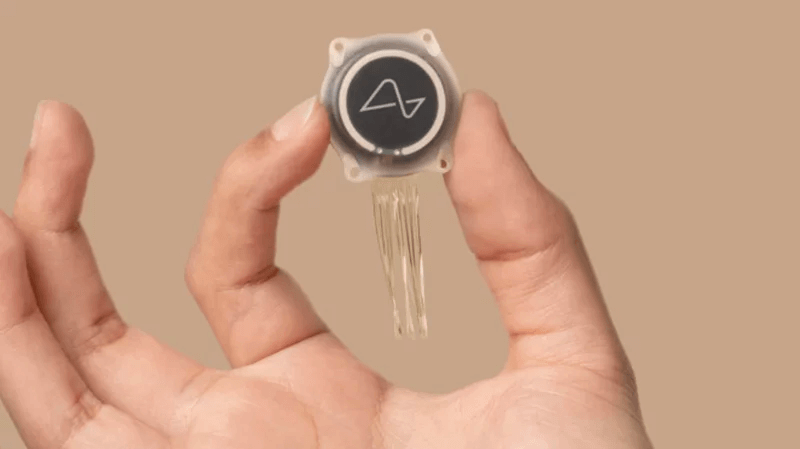
Implanted BCIs [brain-computer interfaces] are electrodes put in paralyzed people’s brains so they can use imagined movements to send commands from their neurons through a wire, or via radio, to a computer. In this way, they can control a computer cursor or, in few cases, produce speech.


 “In the next five to 10 years, it’s either going to translate into a product or it’ll still stay in research,” says [Michelle Patrick-Krueger, a research scientist who carried out a detailed survey of BCI trials with neuroengineer Jose Luis Contreras-Vidal at the University of Houston. “I do feel very confident there will be a breakout.”