Colossal Biosciences, the biotech company behind [these] woolly mice [says the] eventual goal is to modify elephants with enough mammoth DNA to result in something resembling the extinct pachyderm. … The starting point for chronogenics appears to be in 2004. That year, US scientists reported they’d partly re-created the deadly 1918 influenza virus and used it to infect mice.
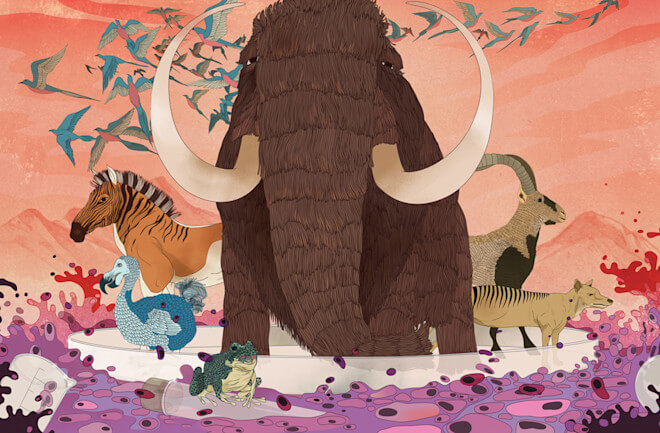

That’s a little bit similar to the woolly mouse project. Some scientists [have] complained … that when, or if, Colossal [Biosciences] starts to chrono-engineer elephants, it won’t really be able to make all the thousands of DNA changes needed to truly re-create the appearance and behavior of a mammoth. Instead, the result will be just “a crude approximation of an extinct creature,” one scientist said.
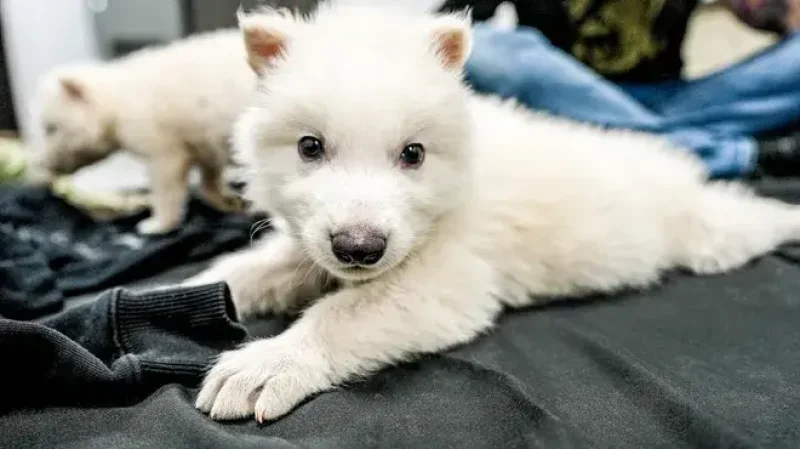
[Editor’s note: On April 7, Colossal Biosciences announced it had resurrected the dire wolf, which went extinct 12,500 years ago. Colossal CEO Ben Lamm said the team used DNA from a 13,000-year-old tooth and a 72,000-year-old skull to analyze the full genome of the species and create three healthy dire wolf puppies. However, critics say the physical and genetic resemblance to an extinct species falls short of a full revival. “All you can do now is make something look superficially like something else,” said Vincent Lynch, a biologist at the University at Buffalo who was not involved in the research.]