Podcast:
Podcast: Play in new window | Download
Subscribe: RSS
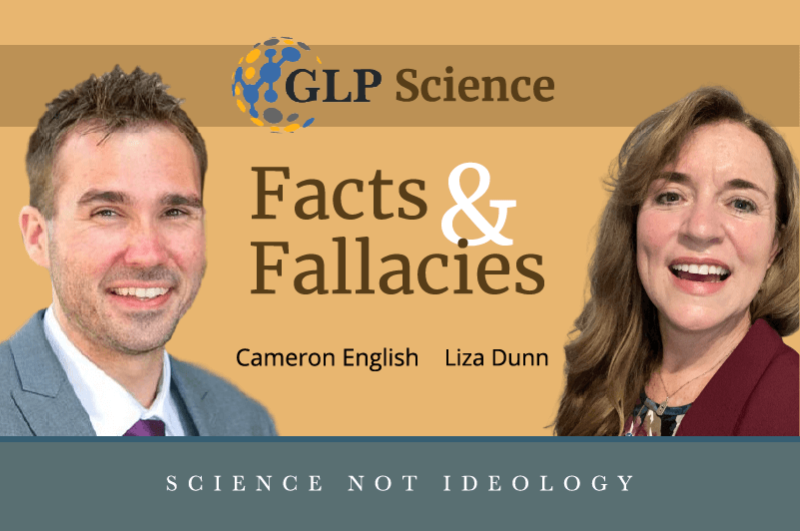
Join hosts Dr. Liza Dunn and GLP contributor Cameron English on episode 311 of Science Facts and Fallacies as they break down these latest news stories:
Sugar is addictive. Girl Scout cookies help fuel deforestation. Chemicals in cosmetics damage your hormones. Each of those claims is false, yet NPR has promoted them all over the years. But now that right-wing activists are making similar claims, the publicly funded news outlet is suddenly pro-science, dismissing allegations about “toxic” Girl Scout cookies as unfounded. Enough of the double standards; it’s time for journalists to provide consistent, evidence-based reporting to counter unscientific claims, regardless of the politics of the people who make those assertions.

Meanwhile, the MAGA-driven culture war against mRNA vaccines is a true setback for science. Outrageous allegations, e.g. mRNA shots are untested gene therapies, have lowered vaccination rates, threatening public health and gutting support for vaccine development that could help treat serious diseases, including some cancers. Why have so many conservatives become hostile to mRNA technology, and what do we do about it?
- What will humans be like generations from now in a world transformed by artificial intelligence (AI)
Looking ahead, future generations may see AI reshape work, health and culture, with enhanced cognition and virtual realities blurring human boundaries and even changing the direction of evolution. How do we prepare for the unprecedented tech-driven challenges future generations will confront?
Dr. Liza Dunn is a medical toxicologist and the medical affairs lead at Bayer Crop Science. Follow her on X @DrLizaMD
Cameron J. English is the director of bio-sciences at the American Council on Science and Health. Visit his website and follow him on X @camjenglish