The same basic toxicology lesson is a helpful counter to misleading scare claims about food dyes, herbicides, and pharmaceutical drugs that proliferate across social media. These substances have legitimate medical and industrial uses, and their toxicity depends on dosage and route of exposure—not their mere presence in your environment or body. Caffeine, to cite another common example, is a naturally occurring neurotoxin that plants use to combat hungry insects, a fact that doesn’t stop 85 percent of Americans from consuming it daily as a mild stimulant with typically no dangerous side effects.
The problem is that myriad bad actors (wellness influencers, activists and even ideological scientists) exploit the term “toxic” without context, capitalizing on the public’s limited knowledge of toxicology and chemistry to sell their wares, whether those are sham supplements, diet books or chemical bans they want voters to support. The solution to each scam is a heavy dose of critical thinking to navigate the nonsense. Equipped with a baseline scientific understanding, we can discern fact from fear-driven propaganda.
Podcast:
Podcast: Play in new window | Download
Subscribe: RSS




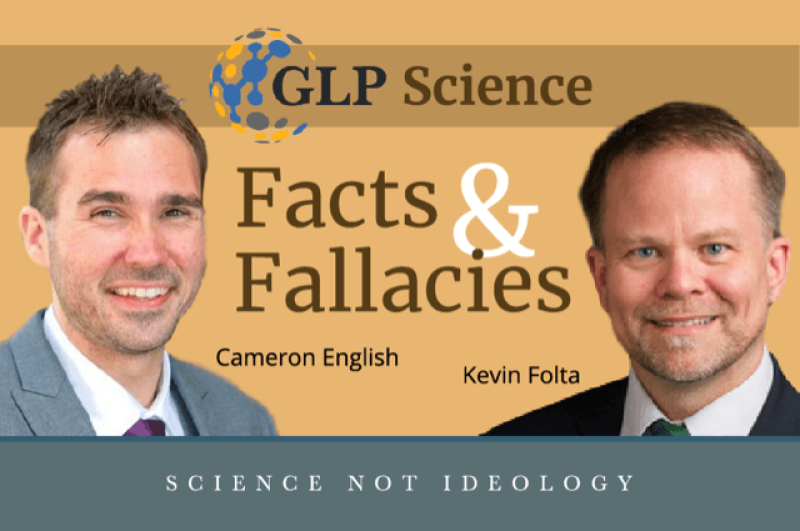
Join host Cameron English and special guest Dr. Kevin Folta on episode 314 of Science Facts and Fallacies as they break down:
Kevin M. Folta is a professor, keynote speaker, and podcast host. Follow Professor Folta on X @kevinfolta
Cameron J. English is the director of bio-sciences at the American Council on Science and Health. Visit his website and follow him on X @camjenglish