
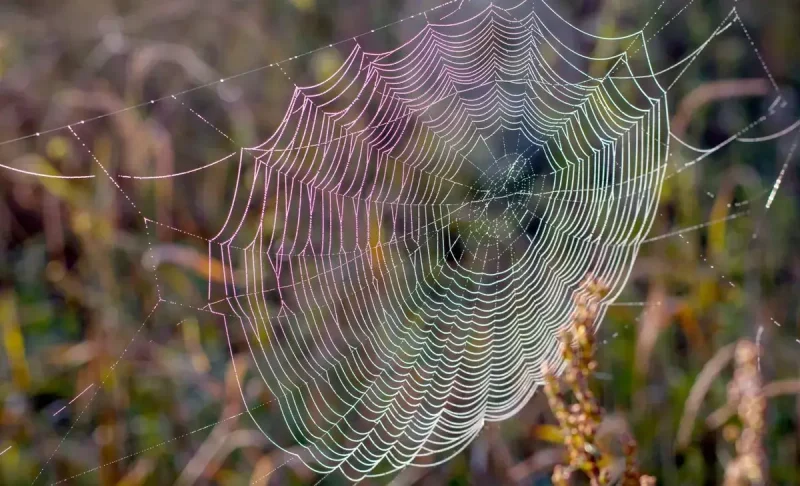
CRISPR wonder: First gene-edited spider spins red fluorescent silk

Glowing-threads-Gene-edited-spiders-spin-red-silk-1400x850

Researchers at the University of Bayreuth have recently successfully bred the world’s first CRISPR-Cas9-modified spider to produce red fluorescent silk. For this work, they used a species of common house spider (Parasteatoda tepidariorum).

Mis- and disinformation are distorting science and public policy. Subscribe to our Daily and Weekly Digests for incisive coverage of ‘disruptive’ innovations in AI, agricultural biotechnology, food, chemicals, nuclear energy, vaccines, and other disruptive innovations.

“We have demonstrated, for the first time worldwide, that CRISPR-Cas9 can be used to incorporate a desired sequence into spider silk proteins, thereby enabling the functionalisation of these silk fibres,” says Professor Dr. Thomas Scheibel, senior author on the study.
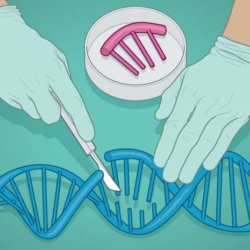

Spider silk is a fascinating natural fiber, known for its extreme tear resistance, elasticity, light weight, and biodegradability. This successful experiment could open the door to enhanced silk functionalities, expanding its potential in materials science and biotechnology.

“The ability to apply CRISPR gene-editing to spider silk is very promising for materials science research – for example, it could be used to further increase the already high tensile strength of spider silk,” says Scheibel.


Related Articles

Infographic: Global regulatory and health research agencies on whether glyphosate causes cancer

Infographic: Global regulatory and health research agencies on whether glyphosate causes cancer

Does glyphosate—the world's most heavily-used herbicide—pose serious harm to humans? Is it carcinogenic? Those issues are of both legal and ...

Most Popular

ChatGPT-Image-Mar-10-2026-01_39_01-PM
Viewpoint—“Miracle molecule” debunked: Why acemannan supplements don’t work
Screenshot-2026-10-07-at-1.03.15-PM
Anti-vaxxers’ double whammy: Exaggerated vaccine fears have fueled measles outbreaks and preventable deaths—and left survivors more vulnerable to other infections for years
Crossed-Out-Calendar-with-Milk-Carton
Viewpoint: The shocking consequences after a year of Robert F. Kennedy Jr.'s distortions, deceptions, and flat-out falsehoods
Frosted Blueberries Under Magnification
MAHA moms divided over RFK Jr.’s food‑safety efforts, as recall alerts grow and outbreaks spread
Pride and Patriotism in the Breeze
Retreat from identity labels: Does the sharply declining number of young teens identifying as gay and bisexual reflect an ideological shift?
Screenshot-2026-10-08-at-10.41.33-AM
Viewpoint: Wellness patches: Most vitamin supplements are useless and sometimes even dangerous, but this craze is even worse
Screenshot-2026-10-13-at-10.35.49-AM
Challenging health misinformation? People are more likely to believe AI when it responds with empathy
Golden Wheat Under a Starry Sky
Viewpoint: ‘Bureaucratic and economic obstacles’ to agricultural biotechnology: Europe creeps into the 21st century, but blocks remain
Screenshot-2026-10-12-at-10.44.38-AM
Widely condemned as unethical, hepatitis B vaccine study funded by RFK Jr’s CDC gets a final greenlight
Cross and Syringe Standoff
Viewpoint: Hijacking Jesus: How anti-vaccine fanatics are exploiting religious exemptions and killing children
Screenshot-2026-09-22-at-12.26.15-PM
‘Forever chemical’ concerns: Separating hysteria from reasonable concern in the debate over PFAS danger
Prescription Capsules Scattered on Twenty-Dollar Bills
Facts & Fallacies podcast: America's health care system is broken. A doctor explains how to fix it, Part 2
Deepfake Democracy Media Mosaic
31 states have passed a patchwork of laws to limit election deepfake commercials. They’re not working very well.
glp menu logo outlined

Get news on human & agricultural genetics and biotechnology delivered to your inbox.





















