
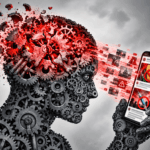
More than half of all the top trending videos offering mental health advice on TikTok contain misinformation, a Guardian investigation has found.
People are increasingly turning to social media for mental health support, yet research has revealed that many influencers are peddling misinformation, including misused therapeutic language, “quick fix” solutions and false claims.
Those seeking help are confronted with dubious advice, such as eating an orange in the shower to reduce anxiety; the promotion of supplements with a limited evidence base for alleviating anxiety, such as saffron, magnesium glycinate and holy basil; methods to heal trauma within an hour; and guidance presenting normal emotional experiences as a sign of borderline personality disorder or abuse.
…
A TikTok spokesperson said: … “We proactively work with health experts at the World Health Organization and NHS to promote reliable information on our platform and remove 98% of harmful misinformation before it’s reported to us.”