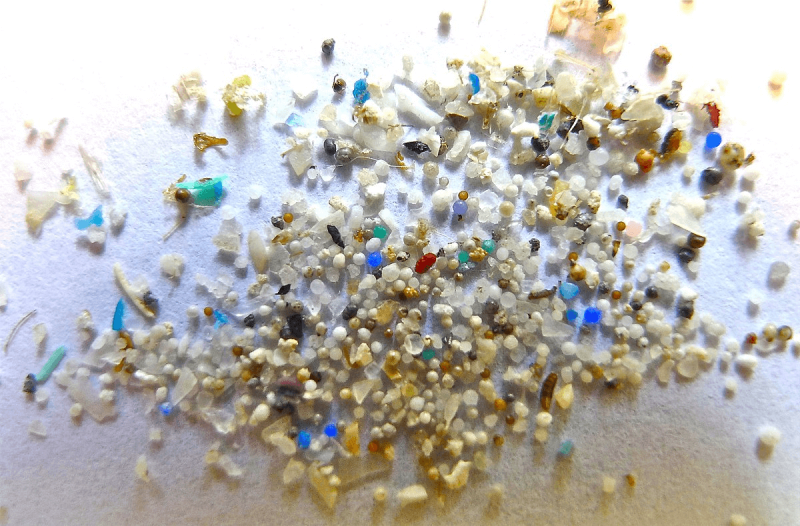
Microplastics are hindering photosynthesis, the process by which plants convert energy from the sun into the fruit and vegetables we eat. This threatens massive losses in crop and seafood production over the coming decades that could mean food shortages for hundreds of millions of people.
So concludes an alarming new study. The authors combined more than 3,000 observations of the effects of microplastics on plants from 157 separate scientific reports, and then extrapolated the results using machine learning, a type of computer model that trains AI to spot patterns in data.
Microplastic exposure, they found, reduces photosynthesis in land plants and marine and freshwater algae by 7% to 12%. The authors calculated that this could eventually reduce yields of staple crops such as rice, wheat and maize by between 4% and 14%.
How realistic is this scenario? While the new study does not fully support such dramatic conclusions, it does draw attention to the possible future risks from microplastics.
The complexities of microplastics
Plastics are useful and versatile products. But they are also difficult to recycle and during 2025 alone, will probably account for 360 million tonnes of solid waste.
More insidious are the trillions of tiny fragments these plastic products break up into, now found everywhere from the deep sea to your brain. These microplastics are less than 5mm in size and some of them are as small as 1 micron (micro-metre), meaning that 10,000 of them could easily fit inside an average plant or animal cell.
Scientists have estimated that about 11 million tonnes of these microplastics, including 51 trillion individual particles, are released into the ocean each year.
Researchers increasingly use AI models to analyse complex datasets. The results can often be useful. My colleagues and I used similar methods to analyse massive molecular datasets and determine the chemical composition of palm oil in different regions of the tropics.
In that case, it was difficult to analyse one group of compounds across a relatively small geographic region. The risks of misleading conclusions are many times greater when trying to analyse microplastics and their different effects globally, as in this new study.
Indeed, the authors of the new study sought to answer questions that are orders of magnitude more complex, involving vast quantities of microplastics in the entirety of the global biosphere. Other scientists have expressed concern about the limited data used by the current model, that could lead to overspeculation about the possible consequences for food supplies.
Despite these concerns, the new study is useful for highlighting the growing body of scientific data on the deleterious effects of microplastics, found in ecosystems from the Arctic to the Amazon. Over the past 20 years, evidence of the potential risk of microplastics has steadily accumulated.



More research is needed
The main conclusions of the new study are based on extrapolations that may not apply on a global scale. The reality is that there are many thousands of types of microplastics, that differ significantly in their chemical composition, size, environmental distribution and biological effects. The new study did not discriminate between them. This means that it is difficult to study their effects on individual processes within human or plant health.
Larger microplastics accumulate in the soil while much smaller microplastics can be present in the air and can be directly absorbed into plant cells. In some cases, the smaller microplastics can damage the cellular bodies, called chloroplasts, involved in photosynthesis.
Previous studies have shown that exposing some algae to microplastics can reduce photosynthesis and increase stress, leading to cell damage similar to the effects of ageing in people. Other studies on crop plants such as tobacco have concluded that the effects of microplastics on photosynthesis vary with the type and dose, exposure duration and plant species. In other words, there is no single approach for comparing the effects on plants as different as a lettuce and an apple tree.
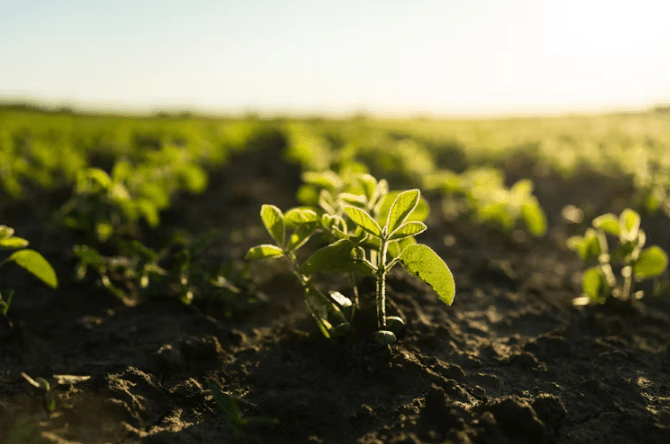
Given the potential (albeit speculative) risk to global food production, more priority should be given to rigorous scientific research of microplastics and their effects on both crops and the marine life that supports fish and seafood stocks.
The World Economic Forum has labelled microplastics as a top ten threat and recommends urgent action. In its latest analysis, it also reported that the average person could ingest between 78,000 and 211,000 of these particles each year. It is estimated that the emission of microplastic particles is likely to more than double in the next 15 years, possibly over 40 million tonnes annually.
Despite growing concern among scientists and civil society, several of the larger public bodies involved in microplastics research in the US and Europe are considering radical cuts to both environmental research funding and regulatory oversight.
While poorly understood, the threat of microplastics could rival other serious threats, including climate change and biodiversity loss.
Emeritus Professor of Biotechnology at University of South Wales. Follow Denis on LinkedIn
A version of this article was originally posted at Conversation and has been reposted here with permission. Any reposting should credit the original author and provide links to both the GLP and the original article. Find Conversation on X @Conversation_US