The rapid development of safe and effective vaccines against SARS-CoV2 demonstrated the agility and efficacy of mRNA vaccines. That platform—capable of being rapidly tailored to combat emerging viral threats—is now being explored to fight infectious diseases in livestock, offering a new frontier in animal health, food security, and global biosecurity.
But the political tides have shifted sharply. What began during the pandemic as fringe conspiracy theories about microchips and genetic reprogramming has metastasized into a full-blown national campaign against mRNA technology—with HHS Secretary Robert F. Kenney, Jr. at the head of it, amplified by misinformation echo chambers.
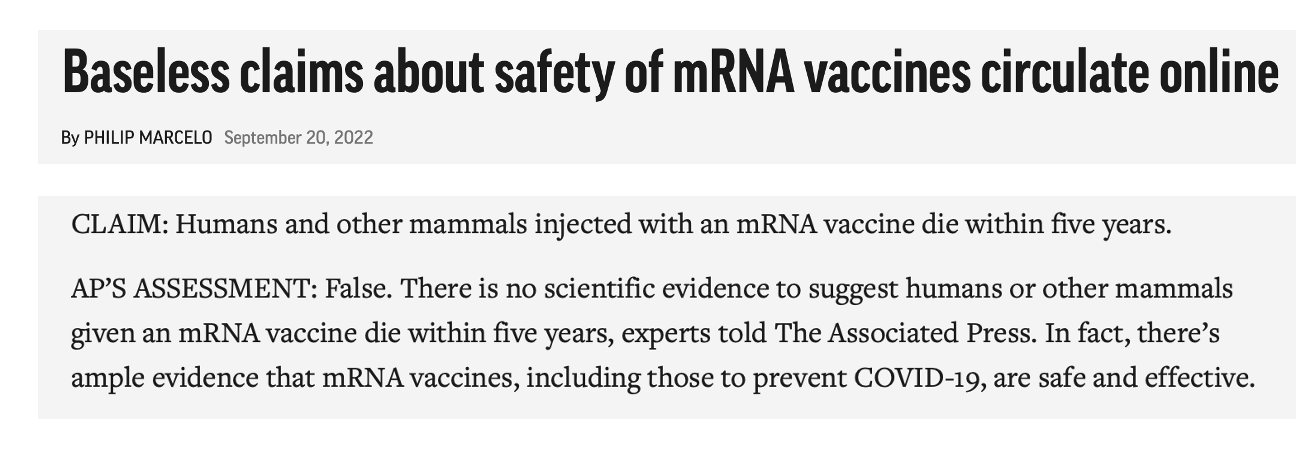 In speeches and official statements, Kennedy has claimed without evidence that mRNA shots “alter your DNA,” that they’re being “sneaked into the food supply,” and that farmers are “unknowingly turning their herds into biotech experiments.” Under his direction, HHS recently pulled federal funding for Moderna’s experimental mRNA-based vaccine to combat the growing H5N1 bird flu outbreak. “We cannot allow synthetic RNA to be slipped into the American food supply without exhaustive independent review,” Kennedy said, defending the move as a necessary precaution.
MAHA has amplified false claims that eating meat from mRNA-vaccinated animals could “infect” consumers with synthetic RNA. It has lobbied for state-level restrictions and pushed language describing mRNA as “genetic tampering” and “biological contamination.” The group has gone further in recent months, spreading debunked claims that avian flu outbreaks are being manufactured to justify mass poultry vaccinations.
“It’s the biggest story in American history,” Conservative Review has written
What is the way to ensure that mRNA gets into everyone’s body, even those smart enough to reject the injections? The industry has been pushing to place mRNA shots into cattle and other food, and such an effort has already been fast-tracked for research and approval in Australia. … Are we going to allow our life and liberty to continue to hang by a thread with no reforms?
They’ve accused pharmaceutical companies of orchestrating bird culls to pave the way for mRNA mandates in livestock. Their rhetoric echoes COVID-era conspiracies—blaming Bill Gates, the World Economic Forum, and “globalists” for engineering a takeover of the food system. The dominant theme, propagated on Rumble and elsewhere, is that consuming meat from a vaccinated animal is a back-door way to install the vaccination and its associated microchips in the vaccine-hesitant. Damn you Bill Gates.
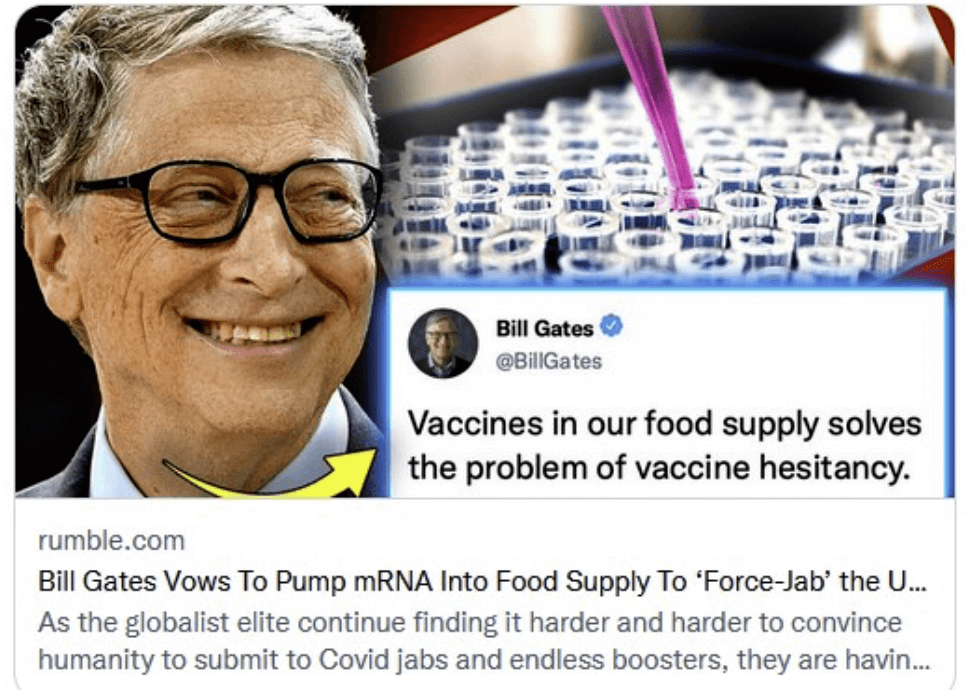
Scientists and responsible health sites have responded to the misinformation outbreak, but it’s an uphill battle.
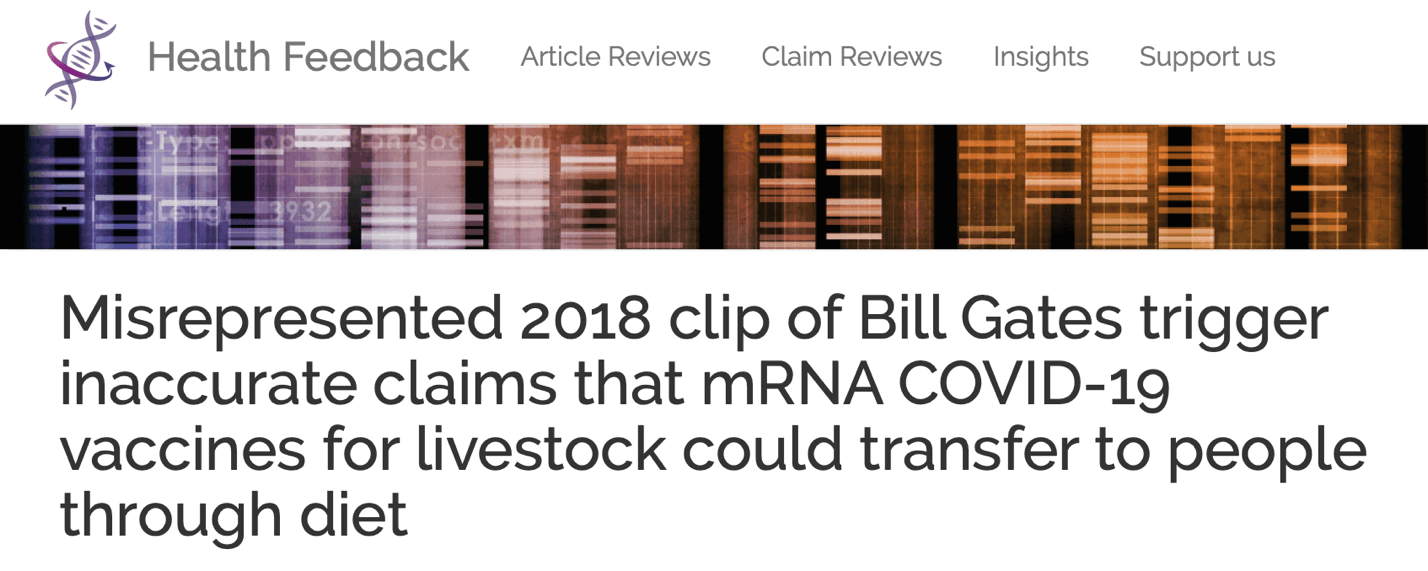
MAHA’s talking points have been adopted by legislators across the country and are now driving a wave of proposed anti-mRNA bills. The result: legislative hysteria.
In Missouri, where vaccine resistance runs deep, Republican lawmakers in 2023 proposed House Bill 1169, which would label meat from mRNA-vaccinated livestock as “gene therapy” and require special disclosure. The bill ultimately stalled, but it served as a template for a new wave of proposals now sweeping through conservative and libertarian-led states in 2025. Similar bills have emerged in Texas, Florida, South Dakota, and Iowa—mirroring MAHA’s rhetoric and enjoying implicit federal reinforcement under Kennedy’s HHS.
Meanwhile, on platforms like Rumble and Truth Social, and even on X, viral videos falsely warn that “you won’t be able to opt out” of mRNA exposure if animals are vaccinated. One popular post claims, “They couldn’t force the jab, so now it’s coming through your steak.” It’s fearmongering dressed up as consumer advocacy, and it’s working.
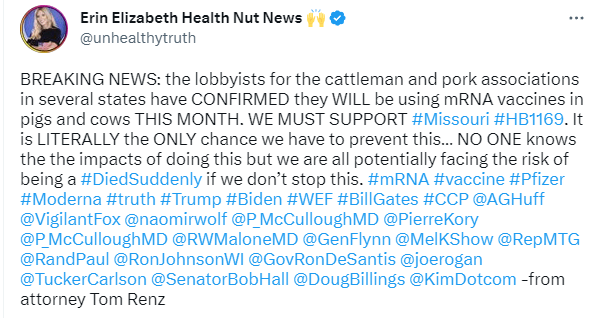
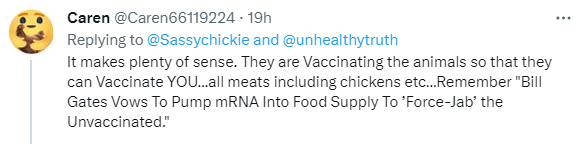
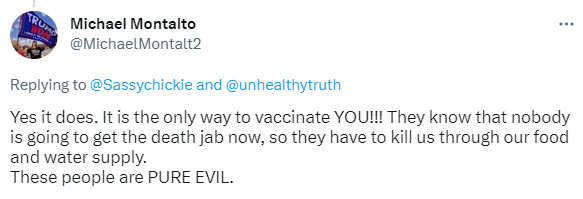
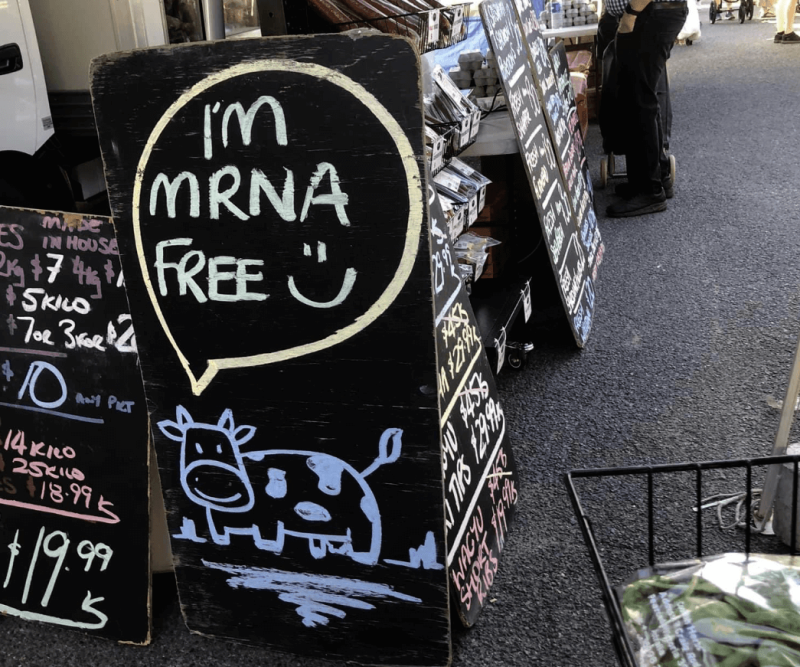
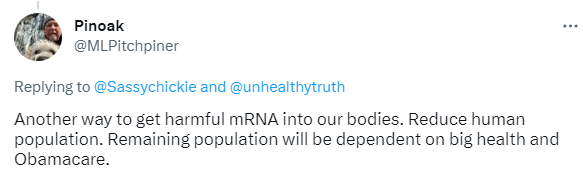 A growing number of consumers now report avoiding meat unless it’s labeled “mRNA-free,” despite the absence of any evidence that these vaccines remain active or pose health risks in cooked animal products. The stakes are immense. As zoonotic threats like avian influenza and African Swine Fever loom—and with H5N1 bird flu now infecting both cattle and humans—mRNA vaccines could be a critical tool to contain outbreaks and protect the food chain. Yet political grandstanding and conspiracy-driven activism threaten to halt progress, leaving farmers without options and public health at risk.




The science is clear. The disinformation is dangerous. And the cost of fear-driven policy may soon be measured in animal suffering, human illness, and food insecurity.
This protection does not have to and should not stop at humans. The vast majority of vaccinations are developed for use in non-human animals, namely livestock. The advent of mRNA vaccines provides a dramatic new way to improve animal health and husbandry, heighten biosecurity, and control food costs. It’s a win-win for consumers and farmers who will benefit from higher profits by raising healthier animals.
Animal vaccines need to be developed quickly
Despite the MAHA backlash, there is tremendous need for effective anti-virals, and mRNA vaccines fit the bill. First detected in 2018, African Swine Fever Virus wiped out 225 million pigs, fifty percent of China’s hog population, causing shortages and economic hardship for farmers. Almost 25% of the global pig population died of ASF from 2018-19.
Many animal populations are in danger. Marek’s Disease is a highly contagious herpesvirus in chickens that can sicken an entire flock. Porcine Reproductive and Respiratory Syndrome (PRRS) affects domestic pig populations, costing the industry almost a billion dollars per year. We all have heard of the tens of millions of chickens that were lost to avian influenza, driving up egg prices in 2022.
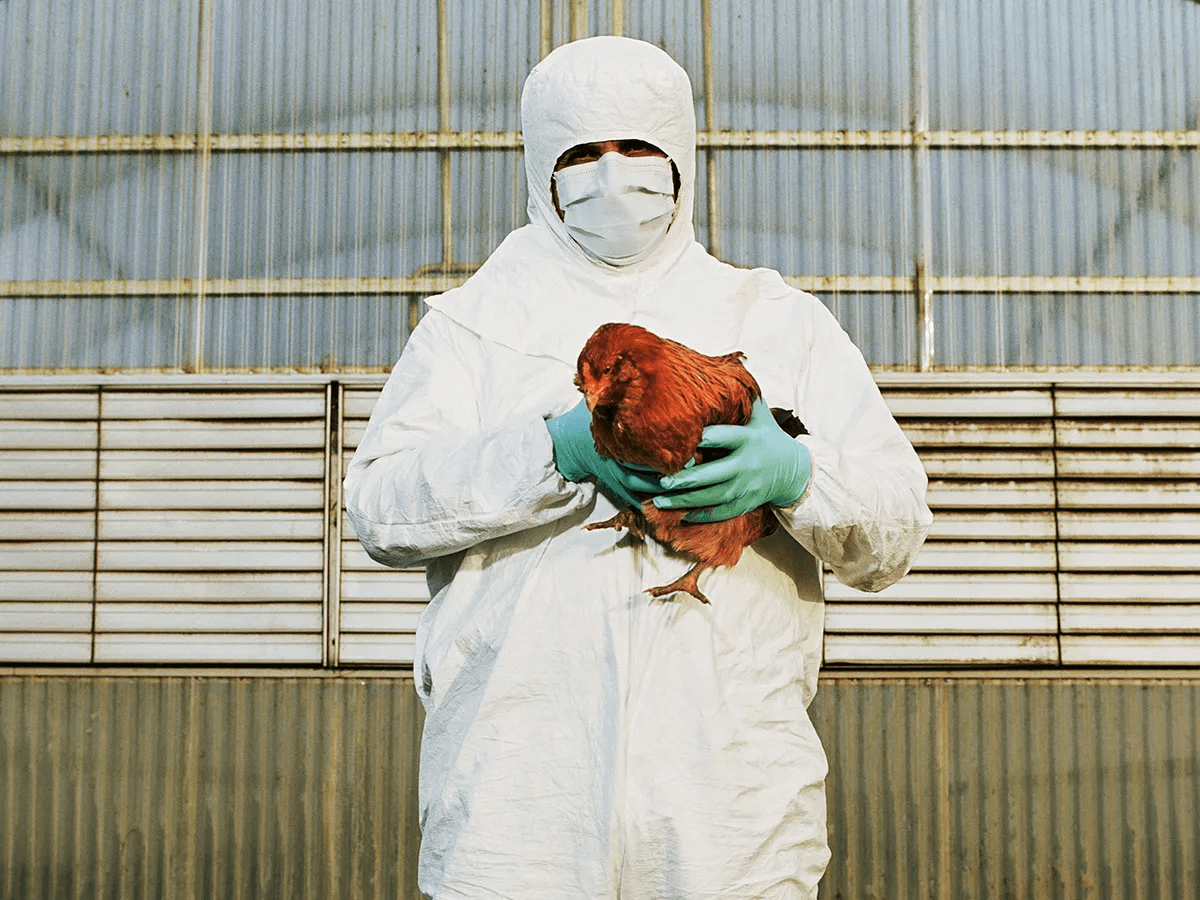
Aside from diseases that affect animals, diseases like rabies, hepatitis E, and avian influenza are all passed to humans from infected animals. Current data strongly indicate that Ebola, SARS, MERS and SARS-CoV2 also emerged from animal intermediates. Strategic vaccination of wild animal repositories may have a significant effect on quelling future zoonotic outbreaks.
While there is clearly a need to vaccinate both domestic and wild animal populations, the problem is that current animal vaccines are manufactured using traditional technologies, such as inactivated viruses, live attenuated viruses, or protein subunits representing disease antigens to stimulate immune response. It can take years in even the best of circumstances to develop new vaccines.
The mRNA vaccines circumvent these onerous manufacturing steps, making them faster and far less expensive to develop and deploy. Identification of new variants can trigger quick adjustments in mRNA vaccine sequence to address rapid viral evolution. There is no question that there is tremendous potential for mRNA vaccines in resolving animal health issues.
What’s at stake?
Human encroachment into natural areas, the harvesting of wild animals for food, and the density of domestic animals in production all set the stage for rapid propagation of new viral threats. Fortunately, the new mRNA technologies provide a fast way to respond, limiting impacts on biosecurity, food prices and even animal suffering.
The technology is not gene therapy as Missouri politicians and many vaccine rejectionists believe. The idea that injecting transient genetic information into a pig or cow can somehow reprogram the genetics of a human that eats a pork chop months later is simply ludicrous. If such things were possible we could use that technology to erase sickle cell disease, cystic fibrosis, or dozens of other genetic diseases.
But the anti-vaccine disinformation machine has fired up, belching forth deceptive messaging that ultimately will challenge good technology from reaching the farmer’s field or remote bat cave.
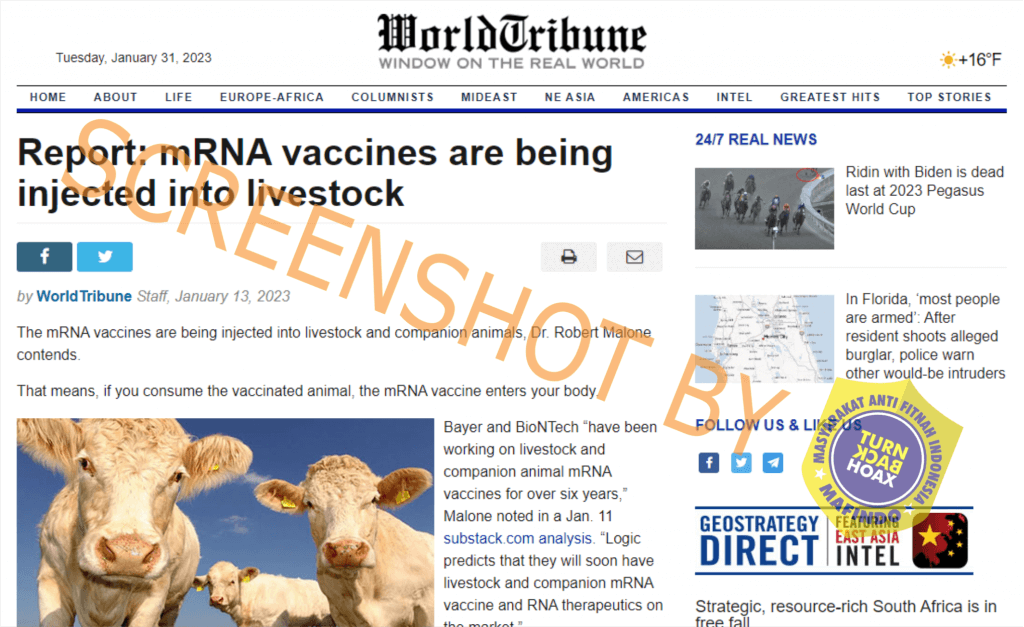
The perpetrators on the ideological left and right that peddle false fears around mRNA vaccines in animals are the same ones telling us that GMO crops are killing us, COVID-19 was a hoax, and benign herbicides are poisons. This nonsense is now being embraced in the higheest echelons of the federal government, giving further credence to bankrupt ideas and awful science.
Why should we listen to them now?
Kevin M. Folta is a professor, keynote speaker and podcast host. Follow Professor Folta on Twitter @kevinfolta