What makes us human? Most would say our minds. The ability to think, empathize, and build complex societies sets us apart from every other species on Earth. But where did this begin?
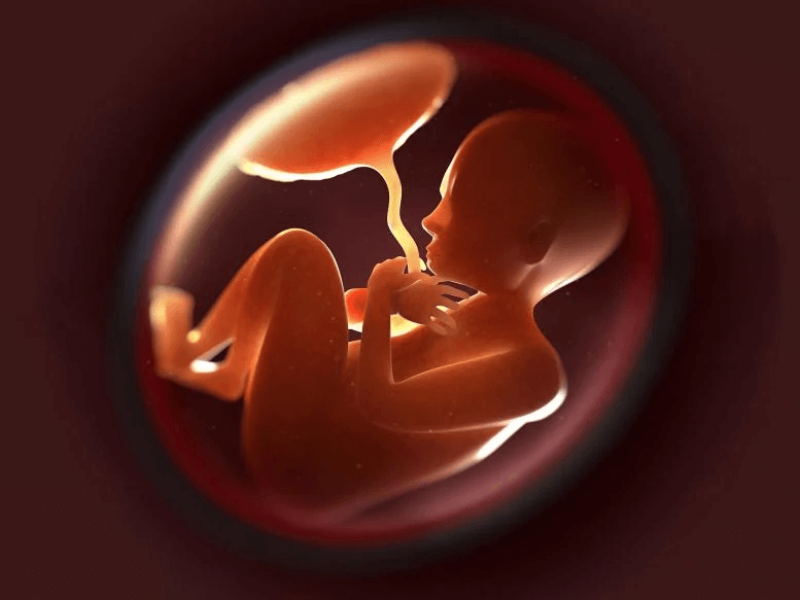
A new hypothesis from researchers at Cambridge and Oxford suggests a surprising factor in human brain evolution: the placenta.
This temporary organ that nurtures unborn babies may have driven the development of our large, social human brains.
Dr. Alex Tsompanidis, senior researcher at Cambridge’s Autism Research Centre, is the study’s lead author.

“Small variations in the prenatal levels of steroid hormones, like testosterone and oestrogen, can predict the rate of social and cognitive learning in infants and even the likelihood of conditions such as autism. This prompted us to consider their relevance for human evolution,” noted Dr. Tsompanidis.
He and his co-authors argue that these hormones influenced not just individuals but helped shape human social traits across millennia.