While maintaining economic growth and mitigating climate-induced failures remain high on the European agriculture agenda, recent protectionist policies have resulted in a stronger stance on Europe’s strategic autonomy, and its ability to prioritize the production of essential agricultural goods to enhance food sovereignty.
Most recently, tariff changes, announced by President Trump in February 2025, are threatening to harm supply chains, particularly between European producers and the US, leaving European exporters facing mounting financial challenges and uncertainty.
For the industry, staying competitive is key – the question is how, particularly in light of geopolitical tensions and climate shocks. As profit margins become increasingly squeezed, farmers are faced with difficult decisions to remain profitable while being asked to comply with sustainability goals, from reducing carbon emissions and fertiliser input to soil regeneration and water usage.
…
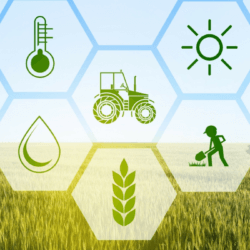



What will it take to rapidly scale agri-tech, biologicals, and low-input, carbon-smart practice systems, while making sure innovation remains practical, affordable, and accessible to all producers?