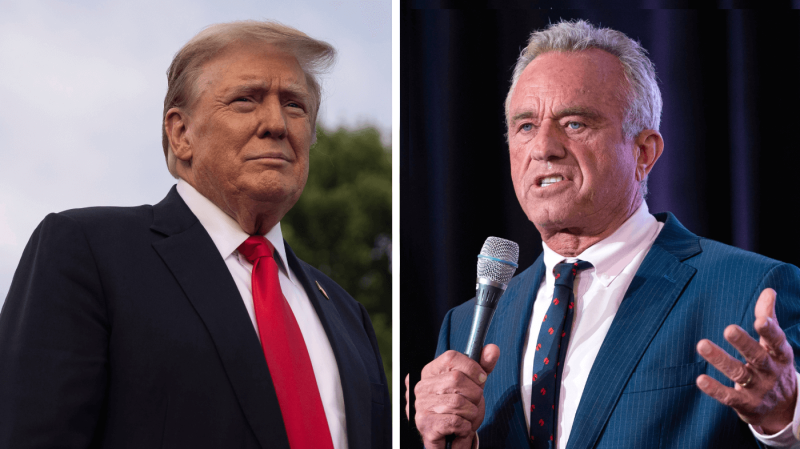
The MAHA (Make America Healthy Again) movement has big plans. “We are leading the charge to transform America’s approach to public health, environmental sustainability, and government accountability,” the MAHA Political Action Committee declares. The group pledges to achieve these goals by exposing corporate corruption, promoting sustainable agriculture, and tackling the chronic disease epidemic. These are laudable causes, to be sure; the problem is that MAHA’s specific policy proposals don’t move any closer to addressing these challenges—in fact, the campaign could actually worsen some of them.
This unfortunate truth is driven by MAHA’s misguided priorities and opposition to evidence-based practices. For example, its focus on peripheral issues like food dyes diverts attention from substantive health challenges. A large body of evidence shows that approved food dyes have negligible health impacts when consumed within regulated limits. MAHA’s emphasis on these non-issues fails to address critical drivers of poor health, such as obesity, diabetes, and cardiovascular disease, which require systemic interventions like better nutrition education, access to affordable care, and perhaps most importantly, better individual choices about what we eat. Taking food dyes out of candy won’t move the needle on obesity if Americans keep consuming excessive amounts of sugar.
More concerning is MAHA’s opposition to pesticides and vaccines, which actively undermines public health. Pesticides, when regulated, enable large-scale food production, reducing food insecurity—a key determinant of overall health. Used within safety guidelines established by regulators, pesticides pose minimal risk to human health and the environment. Similarly, vaccines are among the most effective public health tools, preventing many deaths from devastating diseases like measles and polio. MAHA’s skepticism of immunization, often rooted in misunderstanding rather than evidence, risks lowering vaccination rates, as seen in recent measles outbreaks linked to vaccine hesitancy.
Meanwhile, MAHA sidesteps unresolved health care issues. Despite massive public and private investments in recent years ($4.9 trillion in 2023), access to routine and life-saving treatment remains limited for millions of Americans, both of which are essential to a healthy society. By focusing on fringe issues and opposing proven interventions, MAHA not only fails to advance public health but also risks regressing progress, leaving systemic challenges untouched and Americans less healthy.
That leaves us with an important question: what could MAHA do to actually fulfill its self-assigned mandate and make Americans healthy again?
Join GLP founder Jon Entine and longtime contributors Liza Dunn and Cameron English as they discuss MAHA’s impact on health care and public health. Follow this link or listen to the conversation below:



— Liza Lockwood (@DrLizaMD) June 28, 2025Dr. Liza Dunn is a medical toxicologist and the medical affairs lead at Bayer Crop Science. Follow her on X @DrLizaMD
Jon Entine, founder and executive director of the Genetic Literacy Project, is an Emmy-winning investigative TV News producer and author of seven books, including three on genetics. Please follow him on X at @JonEntine
Cameron J. English is the director of bio-sciences at the American Council on Science and Health. Follow him on X @camjenglish