As the world transitions to more renewable energy sources, the demand for it has soared.
In 2021, about 95,000 tonnes of lithium was consumed globally – by 2024 it had more than doubled to 205,000 tonnes, according to the International Energy Agency (IEA).
By 2040 it’s predicted to rise to more than 900,000 tonnes.
Most of the increase will be driven by demand for electric car batteries, the [International Energy Agency] says.
Locals say environmental costs to them have risen too.
So, this soaring demand has raised the question: is the world’s race to decarbonise unintentionally stoking another environmental problem?

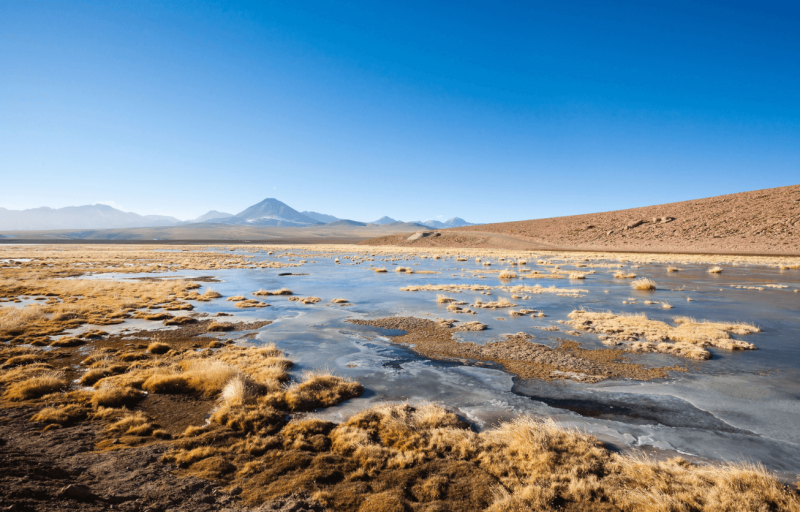
“The lagoons here are smaller now,” [local Chilean biologist Faviola Gonzalez] says. “We’ve seen a decrease in the reproduction of flamingos.”
…
But the issue extends beyond Chile too. In a report for the US-based National Resources Defense Council in 2022, James J. A. Blair, an assistant professor at California State Polytechnic University, wrote that lithium mining is “contributing to conditions of ecological exhaustion”, and “may decrease freshwater availability for flora and fauna as well as humans”.