Next-generation sweeteners: Balancing function and flavor while navigating regulatory hurdles

Screenshot 2025-08-18 at 1.11.55 PM

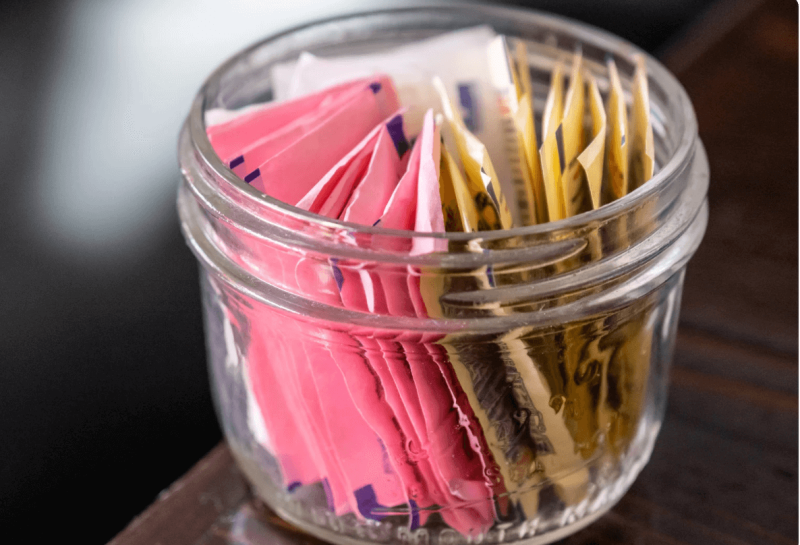
With an increase in consumers looking for products with lower sugar contents and a need to be transparent with ingredients, finding the next generation of sweeteners can be a challenge.

…

Designed to deliver a sugar-like experience with minimal metabolic load, these sweeteners fall into three categories: high-intensity natural extracts (eg. stevia and monk fruit); rare monosaccharides (eg. D-allulose); and bioengineered molecules created via fermentation or enzymatic conversion.

…

Globally, the regulatory environment for these novel ingredients is in constant flux, requiring careful attention to regional differences and recent decisions from food safety authorities.
Mis- and disinformation are distorting science and public policy. Subscribe to our Daily and Weekly Digests for incisive coverage of ‘disruptive’ innovations in AI, agricultural biotechnology, food, chemicals, nuclear energy, vaccines, and other disruptive innovations.

While their functional performance is generally very varied across product categories, ranging from sports drinks and carbonated soft drinks to frozen dessert products and fibre-containing baked foods, this calls for a precision strategy in formulating designs. While innovation is moving fast, formulating next-generation sweeteners poses a chain of function-based performance hurdles requiring unique strategies by product category.

…

Over the next five years, advances in synthetic biology, enzymatic engineering and precision fermentation will enhance the scalability, cost-efficiency and functionality of sweetener solutions.


This is an excerpt. Read the original post here

Related Articles

Infographic: Global regulatory and health research agencies on whether glyphosate causes cancer

Infographic: Global regulatory and health research agencies on whether glyphosate causes cancer

Does glyphosate—the world's most heavily-used herbicide—pose serious harm to humans? Is it carcinogenic? Those issues are of both legal and ...

Most Popular

ChatGPT-Image-Mar-10-2026-01_39_01-PM
Viewpoint—“Miracle molecule” debunked: Why acemannan supplements don’t work
Screenshot-2026-10-06-at-2.36.47-PM
Is organic farming really more sustainable? 100 recent studies say ‘no’
Supreme-Court-Amid-Climate-Crisis
Should fossil fuel companies be shielded from lawsuits over climate change damage? The Supreme Court takes up the question
Radioactive-Americana-Collage-2
The kooky logic behind the raft of spurious cancer claims from Harvard’s T.H. Chan School of Public Health
Screenshot 2025-09-17 at 12.41
Jump-starting global warming: Rising temperatures are driving up emissions from wildfires, fermenting wetlands, and melting permafrost
Screenshot-2026-09-22-at-10.54.12-AM
‘They misunderstand science’: Research attempting to tie autism to changes in the gut microbiome comes under fire
Childrens-Health-Defense-Press-Briefing
Court links patient’s death to anti-vaccine doctor promoted by Kennedy’s Children’s Health Defense
Screenshot-2026-09-28-at-11.26.17-AM
Viewpoint: Wellness movement activists reposition nicotine from a killer addictive drug into a cure-all for brain ills
Kind-People-Kind-Futures-Hands
Patches for sleep, weight, NAD+, energy, focus, periods. No evidence to support the latest social media wellness scams
Screenshot-2026-10-02-at-9.11.36-AM
The genetics of personality
ChatGPT-Image-Sep-21-2026-11_21_39-AM
Viewpoint: Food cults: Online ‘nutrition communities’ can pose unique dangers
strand of dna genetics
No, GMO foods do not “damage genes, natural disposition and hormones, or decrease physical health and intelligence”
glp menu logo outlined

Get news on human & agricultural genetics and biotechnology delivered to your inbox.