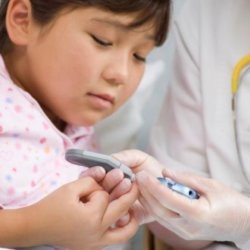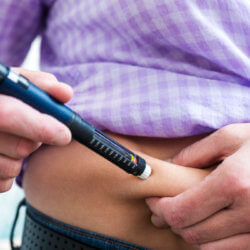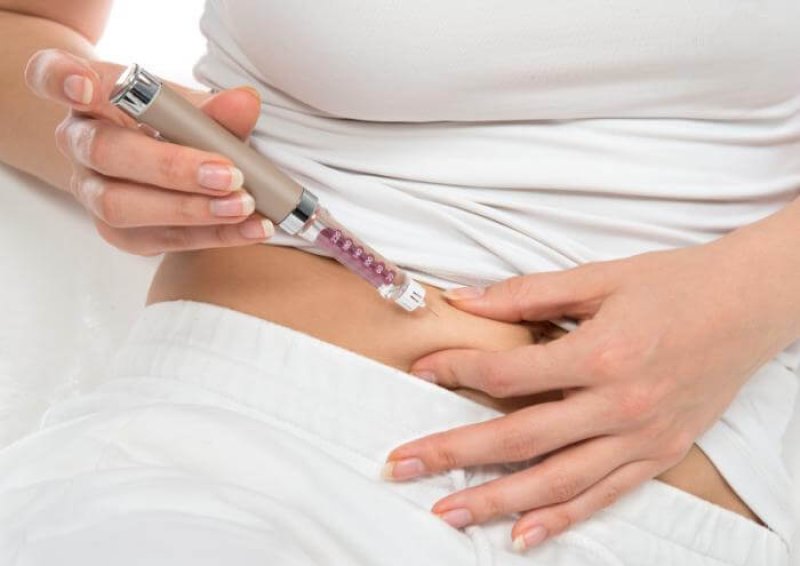

People with type 1 diabetes must constantly rely on insulin injections or pumps, usually for the rest of their life after diagnosis. The autoimmune disease destroys the cells that produce the hormone, which is crucial to keeping blood sugar in check. But now research suggests a new therapy could finally allow people with type 1 diabetes to make insulin on their own.
…
Scientists injected nearly 80 million genetically tweaked cells into the participant’s forearm muscle, and 12 weeks later the cells were still alive and producing insulin. The recipient did require additional insulin injections—but the injected cells showed no signs of rejection, which the researchers say is a major step forward. The results were reported … in the New England Journal of Medicine.
Before the transplant, the participant had no measurable naturally produced insulin and was receiving daily doses of the hormone. But within four to 12 weeks following the transplant, his levels rose slightly on their own after meals—showing that the new beta cells were releasing some insulin in response to glucose.