Cilantro tastes like soap to you? It’s in your genes

Screenshot 2025-09-12 at 12.27.26 PM

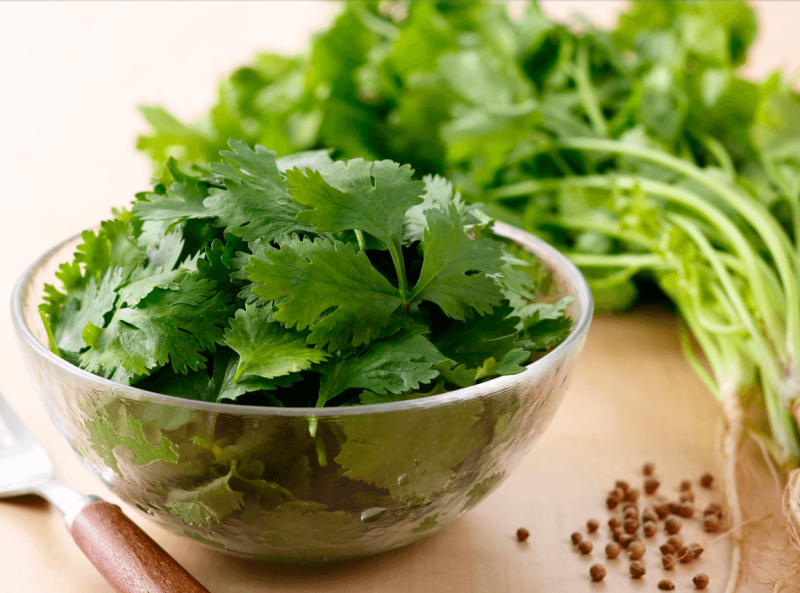
Family medicine specialist Neha Vyas, MD, says cilantro (Coriandrum sativum) is one of the most polarizing herbs used in modern cooking. Why? Because to some people, cilantro tastes like soap — and there’s a scientific reason for it.

If you can’t stand the taste of cilantro, your genes may be to blame. You likely have a specific gene called OR6A2 that makes you super-sensitive to a component of this herb — and, yes, can make it taste like soap.

“Those who dislike cilantro tend to have this gene, which detects the aldehyde part of cilantro as a soapy smell and taste,” Dr. Vyas explains.

Follow the latest news and policy debates on sustainable agriculture, biomedicine, and other ‘disruptive’ innovations. Subscribe to our newsletter.

The way cilantro smells and tastes to you may be based on your genes. But there’s an important catch.

“Unlike other fixed genetic traits, like eye or hair color, your cilantro preference can be changed by environmental factors,” Dr. Vyas says.


That’s right. Over time, your brain can actually overcome its genetic predisposition toward disliking cilantro.

Having good experiences with cilantro can eventually change your brain’s perception of it.

This is an excerpt. Read the original post here

{{ reviewsTotal }}{{ options.labels.singularReviewCountLabel }}
{{ reviewsTotal }}{{ options.labels.pluralReviewCountLabel }}
{{ options.labels.newReviewButton }}
{{ userData.canReview.message }}

Related Articles

Infographic: Global regulatory and health research agencies on whether glyphosate causes cancer

Infographic: Global regulatory and health research agencies on whether glyphosate causes cancer

Does glyphosate—the world's most heavily-used herbicide—pose serious harm to humans? Is it carcinogenic? Those issues are of both legal and ...

Most Popular

Screenshot-2026-03-13-at-12.14.04-PM
The FDA wants to make many popular prescription drugs OTC—a great idea. Here’s why it’s unlikely to happen
Screenshot-2026-05-04-at-12.54.32-PM
How Utah became the country’s supplement capital  — and a haven for unregulated, ineffective and fake products
Screenshot-2026-04-20-at-2.26.27-PM
Viewpoint — Food-fear world: The latest activist scientists campaign: Cancer-causing additives
Screenshot-PM-24
Viewpoint: The herbicide glyphosate isn’t perfect. Banning it would be far worse.
images
The never-ending GMO debate: Pros and cons
Screenshot-2026-05-01-at-11.56.24-AM
‘Science moves forward when people are willing to think differently’: Memories of DNA maverick Craig Venter
Screenshot-2026-04-30-at-2.19.37-PM
5 myths about summer dehydration that could damage your health — or even kill you
Screenshot-2026-04-03-at-11.15.51-AM
Paraben panic: How a flawed study, media hype, and chemophobia convinced the public of the danger of one of the safest classes of preservatives
ChatGPT-Image-May-1-2026-02_20_13-PM
How RFK, Jr.’s false vaccine claims are holding up $600 million to fight diseases in poor countries
bigstock opioids on chalkboard with rol
GLP podcast: 'Safe injection sites': enabling drug addiction or saving lives?
glp menu logo outlined

Get news on human & agricultural genetics and biotechnology delivered to your inbox.