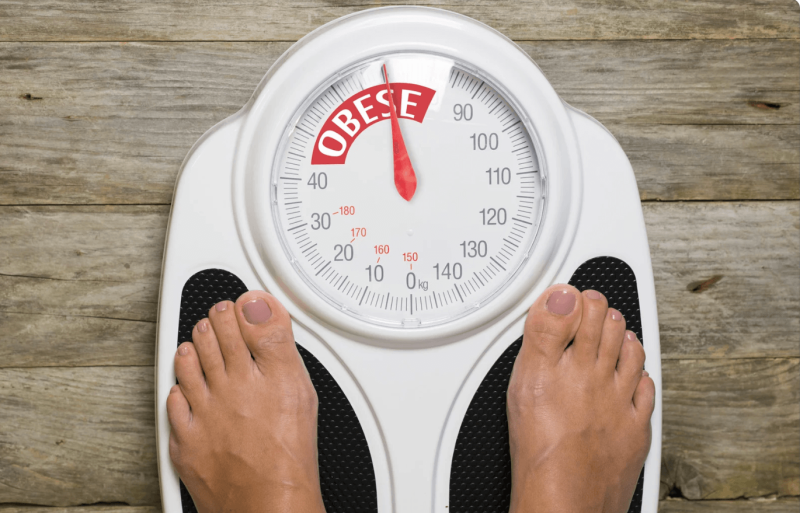
US obesity rates are falling from a record high after steadily climbing since the 1960s, dropping to 37 percent this year from a peak of just under 40 percent in 2022. This downturn tightly correlates with a surge in the use of blockbuster weight-loss drugs like Ozempic and Zepbound—which have more than doubled since 2024, resulting in roughly 7.6 million fewer obese adults, according to Gallup. This positive trend underscores obesity’s responsiveness to pharmacological intervention, bolstering arguments that it behaves as a treatable medical condition rather than mere lifestyle failure.
Critics aren’t convinced, however. They contend that obesity is a behavioral abnormality and a risk factor for real diseases, not a discrete pathology. Writing in the journal Nature in 2014, Dr. David Katz summed up this perspective. “Our bodies, physiologies and genes are the same as they ever were,” he argued. “What has changed while obesity has gone from rare to pandemic is not within, but all around us.” In short, an abundant food supply and marked decrease in physical labor over recent decades have turned a normal physiological response—storing excess calories for later use—into a public health threat. Humans are wired for an environment characterized by energy scarcity, where intense exertion is required to gather the calories necessary for survival, a dynamic that persisted well into the 20th century.
Proponents of the disease model of obesity, including the American Medical Association (AMA), which classified obesity as a disease in 2013, emphasize its complex etiology: genetic predispositions, hormonal dysregulation (e.g., leptin resistance) and socioeconomic barriers contribute to energy imbalance, akin to hypertension or diabetes. Advocates also say recognizing obesity as a disease destigmatizes patients, enhances insurance reimbursement for treatments and spurs research funding—vital as obesity drives comorbidities like cardiovascular disease and type 2 diabetes.
So, is obesity a disease or a harmful lifestyle choice? Are those two definitions mutually exclusive? Join Cam English on this episode of Facts and Fallacies as he examines the obesity-disease hypothesis.

Podcast: Play in new window | Download
Subscribe: RSS
Cameron J. English is the director of bio-sciences at the American Council on Science and Health. Follow him on X @camjenglish