Discovery of growth ‘switch’ in cold-hardy plants could unlock pathways to develop more cold-resilient crops

Screenshot 2025-12-18 at 7.17.36 PM

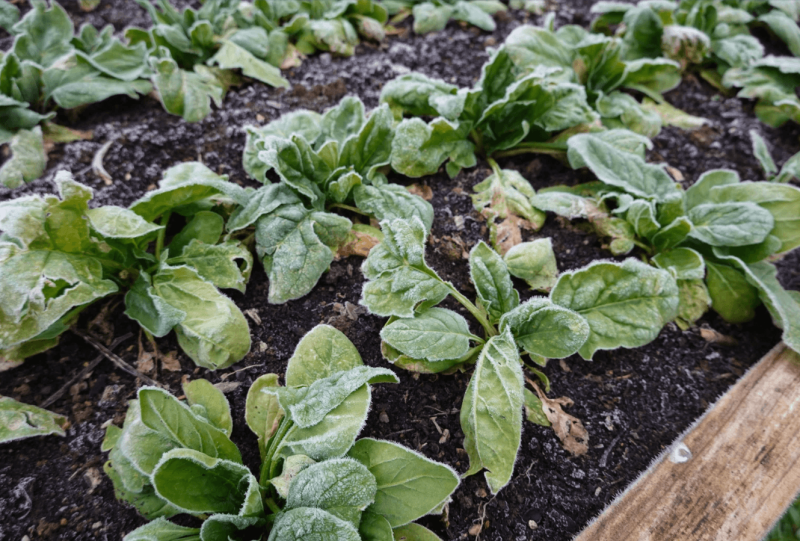
Scientists in South Korea have discovered a rapid molecular “switch” that reprograms plant growth in response to cold stress. The findings potentially unlock pathways to climate-resilient crops that can thrive under unpredictable climate conditions.

“Cold stress doesn’t simply slow plant growth — it actively rewires hormone signaling to adapt root development,” says study lead professor Jungmook Kim at the Department of Bioenergy Science and Technology at the university.

The study’s findings could help scientists develop crops that can continue growing even in such unpredictable or harsh weather conditions.

The authors explain that such varieties would improve “early-season growth establishment, increase nutrient uptake efficiency, and support sustainable agriculture” with lower fertilizer use.

Mis- and disinformation are distorting science and public policy. Subscribe to our Daily and Weekly Digests for incisive coverage of ‘disruptive’ innovations in AI, agricultural biotechnology, food, chemicals, nuclear energy, vaccines, and other disruptive innovations.

The researchers highlight the study’s potential for the development of what they call “synthetic molecules” or “biostimulants” that could protect seedlings during unexpected periods of extreme cold.

Over the next decade, the team expects the molecular pathway to enable crop cultivation in harsher climates and serve as a framework for precision breeding and CRISPR-based engineering of climate-resilient crops.


This is an excerpt. Read the original post here

Related Articles

Infographic: Global regulatory and health research agencies on whether glyphosate causes cancer

Infographic: Global regulatory and health research agencies on whether glyphosate causes cancer

Does glyphosate—the world's most heavily-used herbicide—pose serious harm to humans? Is it carcinogenic? Those issues are of both legal and ...

Most Popular

ChatGPT-Image-Mar-10-2026-01_39_01-PM
Viewpoint—“Miracle molecule” debunked: Why acemannan supplements don’t work
ChatGPT-Image-Sep-17-2026-12_28_43-PM
Vitamin D, omega-3 fish oil and glucosamine supplements could cause brain damage 
ChatGPT-Image-Sep-17-2026-10_17_15-AM
Viewpoint: Why are the less intelligent more likely to be conservative—and smarter people more socially liberal?
Screenshot-2026-09-10-at-12.20.19-PM
'Jet fuel didn't melt the steel': 9/11 conspiracy theories debunked
Eating Nuts Adds up to Longer Life x
For millions with peanut allergies, Nurtured Nuts’ CRISPR gene-edited peanuts could ease the fear of accidental exposure
ChatGPT-Image-Aug-28-2026-03_33_46-PM
Viewpoint: Bad science—Five bogus Trump administration claims about vaccines and autism
screenshot at  am
‘Glyphosate is not carcinogenic’: Independent EU chemical oversight agency reaffirms—for the 3rd time in 9 years—that the herbicide is safe-as-used
glp menu logo outlined

Get news on human & agricultural genetics and biotechnology delivered to your inbox.