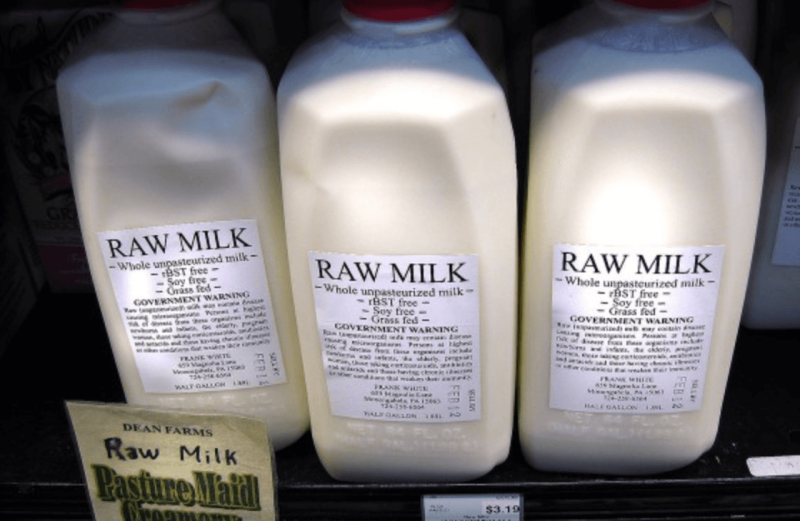

Consumption of unpasteurised milk in the United States has presented a public health challenge for decades because of the increased risk of pathogen transmission causing illness outbreaks. We analysed Foodborne Disease Outbreak Surveillance System data to characterise unpasteurised milk outbreaks. … During 2013–2018, 75 outbreaks with 675 illnesses occurred that were linked to unpasteurised milk; of these, 325 illnesses (48%) were among people aged 0–19 years.
…
In the early twentieth century, routine pasteurisation of milk from cows became widespread in the United States and led to dramatic reductions in diseases and infant mortality previously associated with unpasteurised milk consumption Pasteurisation ensures that fluid milk and milk products do not contain harmful pathogens by heating every particle of milk to one of the appropriate temperatures for at least the corresponding specified lengths of time. Adherence to strict sanitation practices during the milking process may help to reduce, but does not eliminate, the risk of pathogen contamination of unpasteurised milk and does not significantly reduce illnesses or outbreaks Therefore, pasteurisation is essential in eliminating pathogens.





Discussion
Our findings support those from previous studies that access to unpasteurised milk leads to more outbreaks than pasteurised milk despite far less consumption of unpasteurised milk by the population. This has continued to be a public health challenge in the United States despite persistent recommendations against the practice.
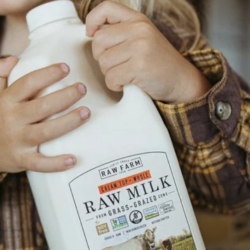
Outbreaks linked to unpasteurised milk in this analysis disproportionately affected younger people, with over half of illnesses occurring in people aged 19 years and younger. Children are at greater risk for severe infection and might not make dietary decisions for themselves. Educating parents and caregivers about risks of outbreak-associated illnesses linked to unpasteurised milk consumption among children may help prevent consumption and reduce illnesses among this population.
This study was originally published by Cambridge University Press. This is an excerpt. Any reposting should credit the original study. Find Cambridge University Press on X @CambridgeUP