
Unfortunately, in most cases health misinformation has been allowed to stand with very few, if any, professional consequences. Some prominent examples of individuals who have spread misinformation without repercussions include:
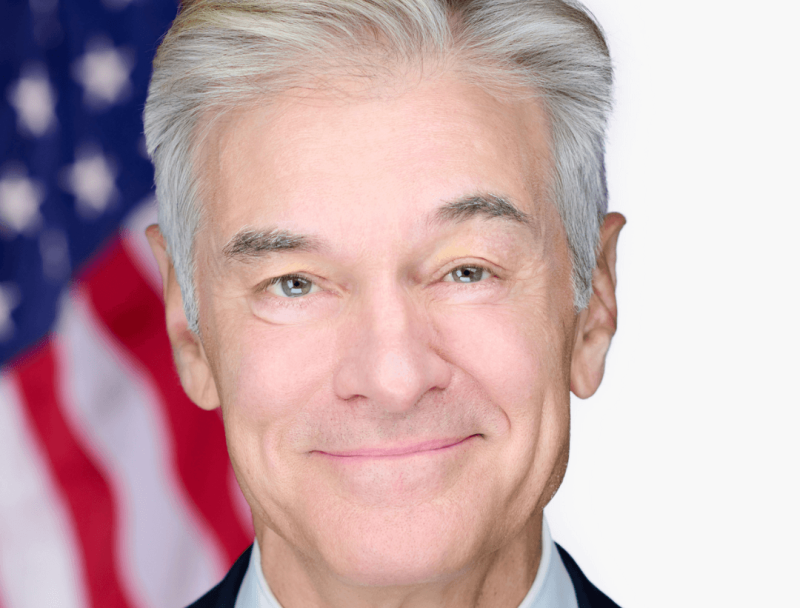
- Columbia University did not reprimand celebrity doctor Mehmet Oz, MD, MBA, for years of allegedly promoting “quack treatments.”
- Yale University did not reprimand Harvey Risch, MD, PhD, for pushing treatments without evidence and speculating about vaccines and “turbo cancer.”
- The University of Florida has not reprimanded Joseph Ladapo, MD, PhD, for distorting data and using anti-vaccine rhetoric.
- Louisiana State University recently added Robert Malone, MD, to their faculty despite his anti-vaccine advocacy and rhetoric.
- Simone Gold, MD, JD, the physician founder of a COVID misinformation group, hasn’t had her medical license revoked.
Many academic institutions failed to protect their institutional integrity, while state boards failed to protect the public’s safety.
Critics argue that disciplining physicians creates a “chilling effect” on scientific debate. However, there is a clear distinction between fringe hypotheses discussed in journals and verifiably false medical advice given to the public. … Accountability is one of the tools that allows for trust to be built. Without it, trust will continue to shatter.