The greater the media hype around psychedelics, the more skeptical you should be.
A perfect example of why this skepticism is justified went viral late last month: a single inhaled dose of the potent psychedelic 5-MeO-DMT sent almost 60% of treatment-resistant depression patients into remission in just one week, according to a March 25 paper in JAMA Psychiatry. It sounds like a game-changer — until you read the study, warts and all.
As it turns out, the psychedelic bros tweeting from Silicon Valley exaggerated the paper’s results, overlooking some critically important limitations in the research along the way.
Impressive results?
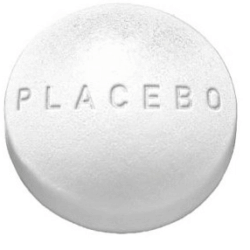
There’s no denying the short-term results look dramatic: a massive drop in depression severity versus placebo. But read past the abstract and bright red flags begin to appear. The original placebo group, 41 patients who got zero active drug in the week-long clinical trial, entered the 6-month follow-up period eligible for up to five doses of 5-MeO-DMT if their depressive symptoms worsened. In other words, the researchers gave their control group access to the very drug they were trying to test.
Not only does that undermine the study’s headline-grabbing results, the authors didn’t report any of the outcomes for this placebo group. “A detailed analysis of part 2, including … treatment outcomes of patients who received placebo in part 1, will be presented in a subsequent report,” they noted in passing.
Instead, the paper focused only on the 23 patients (out of 40) whose symptoms improved on the active drug in week one. Of those, just 13% stayed in remission for six months without any redosing. The rest needed 1–4 doses and 87% were back in remission at month six. Again, these are impressive numbers—but how much of that result is truly from the psychedelic versus natural fluctuation or study effects? There’s no way to know, because the researchers excluded the data that would answer that question.
Headlines v. reality



Perhaps more importantly, the study was hailed as evidence that 5-MeO-DMT is effective against treatment-resistant depression, a severe mental health disorder that doesn’t respond to antidepressants or other therapies. Yet buried deep in the study was this surprising admission:
“[R]elatively few patients had extensive histories of treatment resistance or prolonged, chronic illness courses. In subsequent research, it will be important to include patients with more advanced levels of treatment resistance and longer-standing symptoms.”
The pressing question: why was this drug promoted as a powerful therapy for treatment-resistant depression if few of the study participants actually had the condition? Join Dr. Liza Lockwood and Cam English on this episode of Facts & Fallacies as they dissect the JAMA Psychiatry study.
Podcast: Play in new window | Download
Subscribe: RSS
Dr. Liza Lockwood is a medical toxicologist and the medical affairs lead at Bayer Crop Science. Follow her on X @DrLizaMD
Cameron J. English is the director of bio-sciences at the American Council on Science and Health. Follow him on X @camjenglish