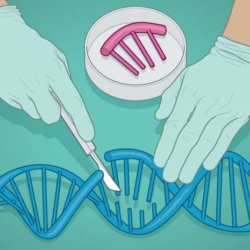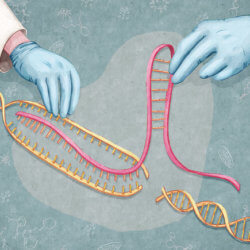

Ever since Crispr-Cas9 gene-editing technology emerged in the early 2010s, ethical questions around genetically altered humans, so-called designer babies, have become increasingly urgent. There is already a worldwide legal prohibition. … But a series of recent discoveries and a new poll suggest that scientists and the public believe gene-edited humans are likely – even desirable – in the near future.
…
The public, it seems, is running ahead of scientists on this front. New polling by Ipsos for the Progress Educational Trust found that a majority of citizens in the UK, Spain and the Netherlands supported the use of gene editing to correct life-threatening genetic conditions like cystic fibrosis, and a plurality support using it on difficult but manageable conditions like asthma (Italy returned a plurality in support on both questions). Given that IVF research was strongly opposed through the 1980s, this shows a remarkable degree of trust in science, and a newfound willingness to tinker with the very stuff of life.
Human germline editing should remain banned for the time being – that is clear on the grounds of safety alone. But that argument may not always hold, and we can’t rely on it for ever. It’s time to have the conversation about what happens next.