African science innovation is growing exponentially, but it’s almost entirely absent from Wikipedia. Why that’s a problem.

Africa’s scientific output is surging, but you’d barely know it from Wikipedia: the continent accounts for roughly 10 percent of the site’s articles, yet science and technology topics make up less than 1 percent, as Duncan Mboya reports for SciDev.Net.

A two-percent problem

The gap traces back to who’s writing. Just 2 percent of Wikipedia’s editors are African, despite the platform logging 50 billion monthly contributions, said Anusha Alikhan, chief communications officer at the Wikimedia Foundation.

Mis- and disinformation are distorting science and public policy. Subscribe to our Daily and Weekly Digests for incisive coverage of ‘disruptive’ innovations in AI, agricultural biotechnology, food, chemicals, nuclear energy, vaccines, and other disruptive innovations.

Cameroonian engineer Eugene Agbor Egbe, named Wikipedia’s 2025 Technology Contributor of the Year after training over 1,000 engineers across five countries, put it starkly: “We must become contributors, otherwise the next generation will find us absent.” Left undocumented, he warned, “Africa will not only be invisible but also dependent on narratives shaped elsewhere.”

Job Mwaura, a research associate at Ludwig Maximilian University of Munich, blames thin government and university research funding across most of the continent, with South Africa a rare exception.


The stakes outlast the encyclopedia itself: AI models trained on Wikipedia’s text risk baking that same erasure into whatever comes next.

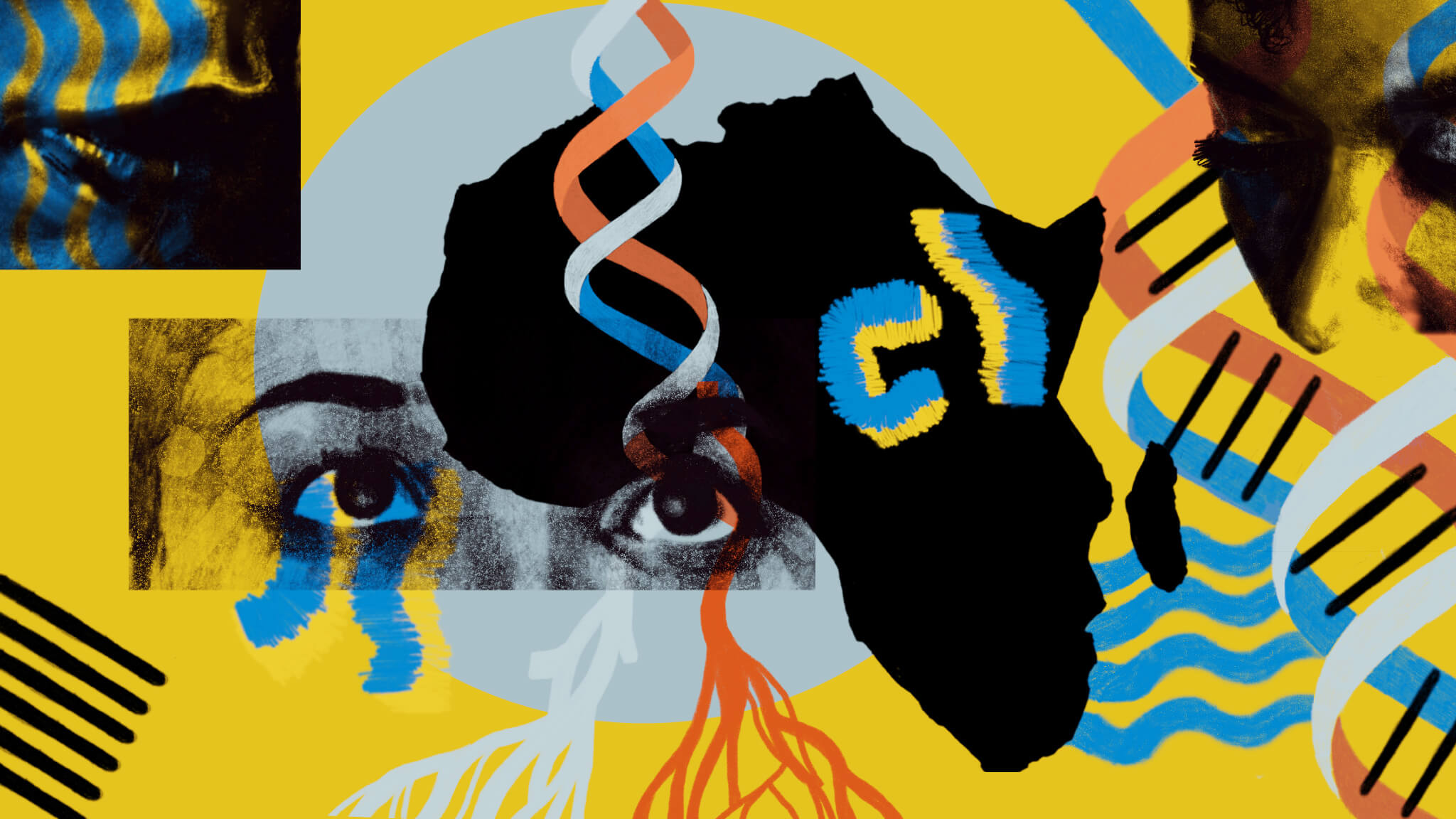
DNA double helix illustration representing genomic research data
Related on the SLP
African genes are not well represented in research databases. Here’s why that’s a problem

Read the original article here

Related Articles

Infographic: Global regulatory and health research agencies on whether glyphosate causes cancer

Infographic: Global regulatory and health research agencies on whether glyphosate causes cancer

Does glyphosate—the world's most heavily-used herbicide—pose serious harm to humans? Is it carcinogenic? Those issues are of both legal and ...

Most Popular

ChatGPT-Image-Mar-10-2026-01_39_01-PM
Viewpoint—“Miracle molecule” debunked: Why acemannan supplements don’t work
ChatGPT-Image-Sep-10-2026-10_36_07-AM
Viewpoint: Even lousy scientific articles can shield authors when they hype dubious health claims and products
ChatGPT-Image-Sep-23-2026-02_36_39-PM
Viewpoint: After firing the entire National Science Board, Trump reshapes funding initiatives. Here’s the good and the bad.
generated-1790707585414
Facts & Fallacies podcast: America's health care system is broken. A doctor explains how to fix it
ChatGPT-Image-Sep-21-2026-03_15_09-PM
Viewpoint: Chipotle-inspired lesson: 10,000 sick customers suggest that processed foods can be safer than fresh ones
sorghum farmers in kenya FARMERS TREND
Here are all the ways CRISPR gene editing is transforming Africa’s staple crops—and there’s a lot more innovation to come
Screenshot-2026-10-01-at-10.52.08-AM
Non-browning CRISPR gene-edited bananas move one step closer to British markets
ChatGPT-Image-Sep-21-2026-11_54_00-AM
Viewpoint: Activist environmental NGOs are turning from public funding to activist billionaires to support their campaigns. It won’t end well.
Screenshot 2026-08-12 at 1.22
Activists vs. Scientists: Could “Butterfly Effect” fears derail gene-drive research targeting the flesh-eating screwworm?
glp menu logo outlined

Get news on human & agricultural genetics and biotechnology delivered to your inbox.