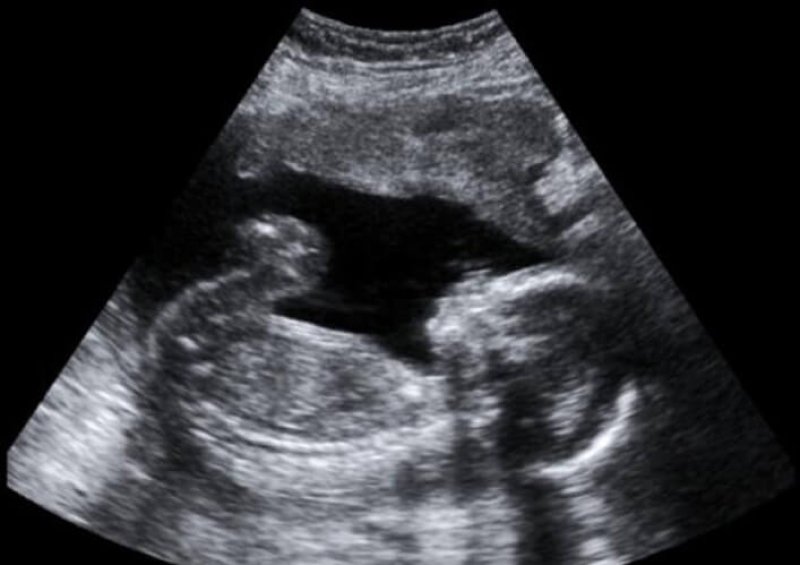

Every developing embryo, irrespective of its sex, at one point contains both male and female reproductive tracts, referred to as the wolffian duct and the müllerian duct, respectively. If the fetus produces testosterone and the anti-müllerian hormone (AMH) gene products from the Y chromosome — these molecules elicit cellular signaling events that lead to the destruction of the female müllerian ducts.
…
A new study published in Science by Humphrey Yao, Ph.D. challenges this age-old concept of the female pathway as “default” and shows that the development of femaleness is also an active process. The authors implicated a protein called COUP-TFII as a key player that is required to actively eliminate the wolffian duct in a developing female embryo in order to give it female characteristics.
…




This showed that, unlike what was earlier believed, male embryos are capable of developing male tubes in the absence of signals from testosterone and AMH, and that the development of female sex organs does not proceed by “default” but rather requires the coordinated action of specific signaling proteins. Although the study was conducted in mice, COUP-TFII is also produced by human embryos, making it highly likely that the pathway identified here may work the same way in humans.
The GLP aggregated and excerpted this blog/article to reflect the diversity of news, opinion, and analysis. Original post: It’s Hard Work Being a Boy (and, It Turns Out, a Girl)