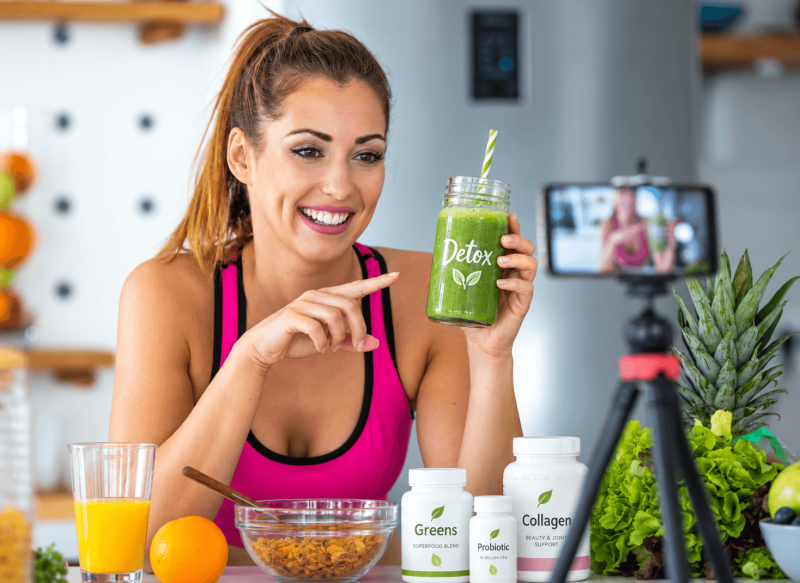

Scroll long enough and someone will promise that a supplement, superfood or detox tea can fix whatever ails you. Those influencers are a major engine of food misinformation across Europe, according to a new stakeholder workshop, as Patient Daily reports.
The workshop, organized by the European Food Information Council (EUFIC) and Fundación Maldita.es, drew on the EU-funded Infoodmation project, which combed through more than 540,000 social media posts from 16 European countries. Among roughly 24,000 food-related posts, researchers flagged misleading content about supplements (474 instances), weight-loss products (256), superfoods (242) and detox claims (76).
The messages leaned on familiar tropes: that “natural” ingredients are inherently superior, or that traditional foods come with built-in health benefits. Of the examples making health claims, 67% lacked enough nutritional or ingredient information for anyone to properly evaluate them. Short videos were the go-to format for pushing those claims.
The problem isn’t always an outright falsehood. “The challenge is not always a claim that is clearly false,” said Rocío Benavente Pérez, deputy director at Fundación Maldita.es. “A food message can also be misleading by leaving out important context or making one product sound like a solution to a much bigger problem.”

As for who is doing the talking, food industry actors made up 52% of the identified sources. Participants singled out two groups as especially vulnerable: children and young people whose critical-thinking skills are still developing, and people with chronic health conditions searching for dietary solutions.
To push back, the workshop called for stricter enforcement of marketing rules aimed at children, closer oversight of influencer content and paid partnerships, better public education on judging the credibility of food information, and corporate accountability that goes beyond mere legal compliance.