How will the EU regulate new crop breeding techniques like CRISPR?

dae o e

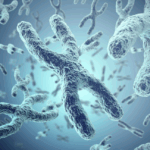
Developments in genetic coding techniques open the doorway to crops that produce higher yields or have positive characteristics, such as drought or pest resistance. The EU regulates the cultivation and use of genetically modified organisms (GMOs) in food but debate rages over whether new biotechnologies such as CRISPR-Cas gene editing should be treated differently.

The European Union has a low adoption rate for modified foods….

While research has not currently indicated any heightened risk from GMOs, restrictions reflect the strong anti-GM public opinion among European consumers.

Many in the scientific community are frustrated by Europe’s resistance to GMOs, arguing that they could be an important tool in boosting food security and improving sustainability.

[Louise Frisco, president of research at Wageningen University] stressed that a different approach is required with the development of new gene-editing technologies, such as CRISPR-Cas, have come to be referred to as new plant breeding techniques (NPBTs).

The Dutch government has suggested that it wants to begin authorising NBTs outside the GMO framework.

The GLP aggregated and excerpted this article to reflect the diversity of news, opinion and analysis. Read full, original post: Should ‘precision breeding’ biotech be included in GMO regulation? 

{{ reviewsTotal }}{{ options.labels.singularReviewCountLabel }}
{{ reviewsTotal }}{{ options.labels.pluralReviewCountLabel }}
{{ options.labels.newReviewButton }}
{{ userData.canReview.message }}

Related Articles

Infographic: Global regulatory and health research agencies on whether glyphosate causes cancer

Infographic: Global regulatory and health research agencies on whether glyphosate causes cancer

Does glyphosate—the world's most heavily-used herbicide—pose serious harm to humans? Is it carcinogenic? Those issues are of both legal and ...

Most Popular

Credit: ACSH
Viewpoint: Who and what’s to blame for the surge in vaccine-preventable diseases?
ChatGPT-Image-May-28-2026-12_56_54-PM
Viewpoint: Vaccines' non-specific effects? The ‘shoddy’ Danish couple whose 'research’ inspires RFK, Jr.’s health delusion
Organic-Produce
Viewpoint: Why you should ignore organic food advocates’ advice to avoid ‘pesticide soaked’ conventional fruits and vegetables
Screenshot-2026-06-05-at-2.12.30-PM
Some plants can poison you. So how did humans figure out what is safe to eat?
ChatGPT Image Jun 3, 2026, 03_14_43 PM
Viewpoint: How Earthjustice became the poster child for the abuse of special interest activist funding
Screenshot-2026-06-08-at-11.05.51-AM
Can vaping lead to cancer? New ‘association study’ raises questions of “links"
Screenshot-2026-06-05-at-3.30.20-PM
Republican lawmakers spread misinformation claiming solar farms permanently destroy potato farms
ChatGPT-Image-Jun-5-2026-01_17_48-PM
GLP-1 weight-loss drugs may reshape our desires and emotions
Screenshot-2026-06-08-at-10.19.30-AM
‘Natural’ wellness supplements linked to liver injury
edb7f6d7-2370-418f-9578-74e29678e35c
Facts & Fallacies Podcast: Nicotine vaping—public health miracle, or risk to children? Professor Cliff Douglas
Screenshot 2025-07-30 at 10.48
Can gene editing eliminate Down syndrome? Scientists have done it in lab-grown cells
ChatGPT-Image-Mar-10-2026-01_39_01-PM
Viewpoint—“Miracle molecule” debunked: Why acemannan supplements don’t work
glp menu logo outlined

Get news on human & agricultural genetics and biotechnology delivered to your inbox.