Brain studies weakened by lack of diversity in participants

brain
Laboratory glassware. Pipette and petri dishes.
[S]ocial sciences [tend] to focus onย people from WEIRDย societiesโ€”that is, Western, educated, industrialized, rich, and democratic. The results of such studies are often taken to represent humanity at large, even though their participants are drawn from a โ€œparticularly thin and rather unusual sliceโ€ of it.

โ€ฆ

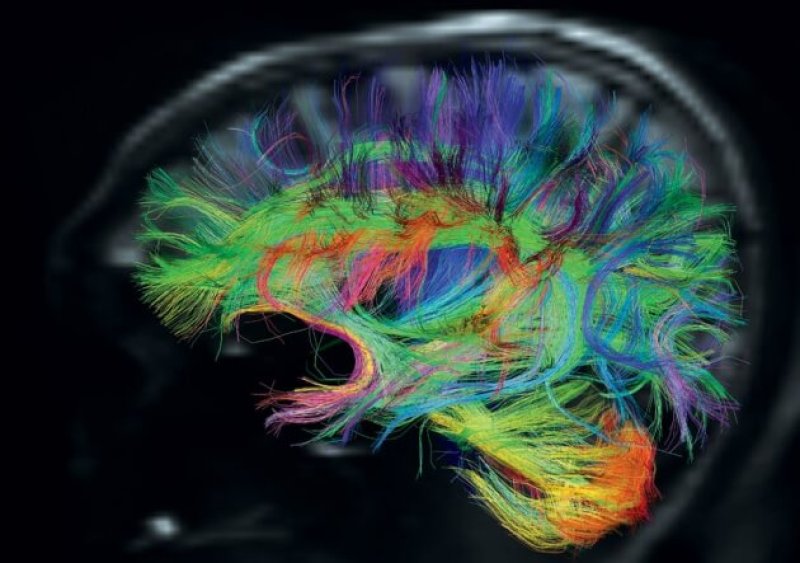
Kaja LeWinn, from the University of California, San Francisco, demonstrated this byย reanalyzing data from a large studyย that scanned 1,162 children ages 3 to 18 to see how their brain changed as they grew up. The kids came from disproportionately wealthy and well-educated families, so LeWinn adjusted the data to see what it would look like if they had been more representative of the U.S. population.

โ€ฆ

When LeWinn weighted her data for factors such as sex, ethnicity, and wealth, the results looked very different from the original set. The brain as a whole developed faster than previously thought, and some parts matured earlier relative to others.ย Natalie Brito, from New York University, says that this study โ€œclearly shows how our interpretation of brain development changes based off who is being represented within the sample.โ€

โ€ฆ

Brain-scanning studies areย gettingย bigger, and researchers are making more of an effort to recruit samples that are at least representative of the local communityโ€”if not America as a whole.

The GLP aggregated and excerpted this blog/article to reflect the diversity of news, opinion, and analysis. Read full, original post: How a Focus on Rich Educated People Skews Brain Studiesย 

{{ reviewsTotal }}{{ options.labels.singularReviewCountLabel }}
{{ reviewsTotal }}{{ options.labels.pluralReviewCountLabel }}
{{ options.labels.newReviewButton }}
{{ userData.canReview.message }}

Related Articles

Infographic: Global regulatory and health research agencies on whether glyphosate causes cancer

Infographic: Global regulatory and health research agencies on whether glyphosate causes cancer

Does glyphosateโ€”the world's most heavily-used herbicideโ€”pose serious harm to humans? Is it carcinogenic? Those issues are of both legal and ...

Most Popular

Screenshot-2026-04-14-at-11.11.06-AM
โ€˜Turbo cancerโ€™ or mRNA cancer cure? Strategies to counter misinformation
ChatGPT Image May 28, 2026, 08_16_38 PM
Viewpoint: Why the EPA mismeasures cancer risk of chemicals and what should be done to fix it
ChatGPT-Image-May-22-2026-10_56_42-AM-2
โ€˜Itโ€™s not super usefulโ€™: As wariness about AI grows, Trump proposes rollback of healthcare safeguards
fda_logo_decimated
Viewpoint: RFK, Jr.โ€™s FDA is on a screaming downward pathโ€”and why it may never recover
edb7f6d7-2370-418f-9578-74e29678e35c
Facts & Fallacies Podcast: Nicotine vapingโ€”public health miracle, or risk to children? Professor Cliff Douglas
ChatGPT-Image-May-28-2026-11_31_47-AM-2
Relying on your doctor or AI miracle cure, death and debilitation? Neurologist makes the wrong choice
ChatGPT-Image-May-22-2026-10_26_09-AM
Gutting the National Science Board: How the Trump-RFK, Jr. crusade is erasing the separation of science and state
Screenshot-2026-05-27-at-10.51.25-AM
Viewpoint: โ€˜Monsantoโ€™ bluesโ€”Planned Netflix movie promises yet another round of anti-glyphosate disinformation
ChatGPT-Image-Mar-10-2026-01_39_01-PM
Viewpointโ€”โ€œMiracle moleculeโ€ debunked: Why acemannan supplements donโ€™t work
ChatGPT-Image-May-26-2026-11_51_01-AM
Viewpoint: RFK, Jr.โ€™s โ€˜sadisticโ€™ solution to autism, depression, and other ills looks a lot like prison camp
vax-misinformation-main
Facts & Fallacies Podcast: Limit free speech to blunt social media misinfo?
Picture1
The Orange Bowl without oranges: Can CRISPR save Florida citrus?

Sorry. No data so far.

glp menu logo outlined

Get news on human & agricultural genetics and biotechnology delivered to your inbox.