7,300-year-old ancestor explains why Nigerians, Congolese and Indians most likely to get sickle cell anaemia

a d c e bdb ed b

A one-time gene mutation in a West African human millennia ago gave them immunity to malaria and doomed some of their descendants to sickle cell anaemia, according to new research.

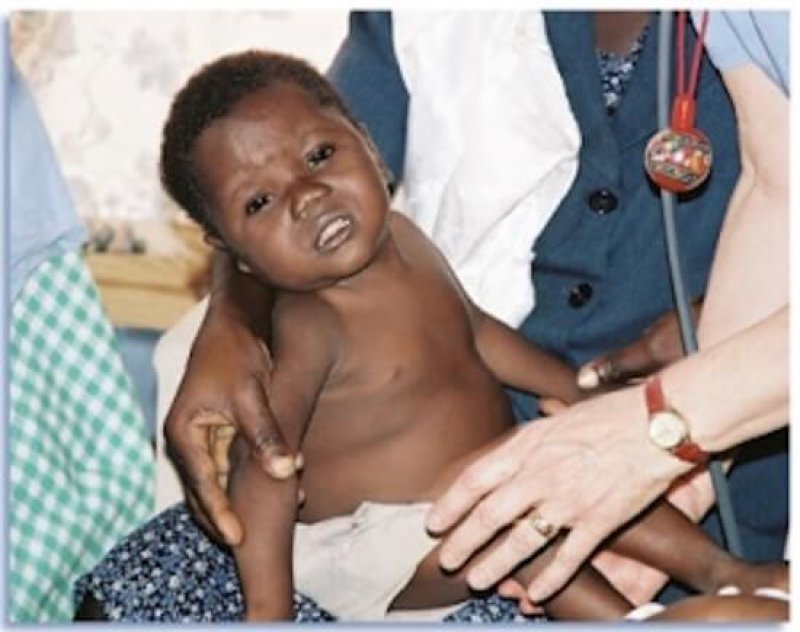
Today, about 300,000 children are born with sickle cell anaemia every year, with that number expected to rise to 400,000 in the next 30 years. The majority of these cases occur in Nigeria, the Democratic Republic of Congo, and India, and many of these babies are likely to die from the disease in which their red blood cells break apart, leaving their bodies starved of oxygen. It is caused by two copies of a gene mutation in their DNA. One copy is harmless; two copies can be deadly. Millions of people worldwide, frequently those with African heritage, are carriers of this mutant gene, but there are large gaps in our knowledge of the disease and its characteristic mutations.

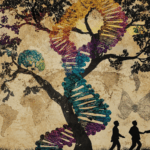
The new research shows the disease began with a single genetic mutation in a child born about 260 generations ago. Human DNA contains two copies of this gene, and when only one copy contains the mutation, carriers are better able to fend off malaria, something which was vital for survival on the African continent.

The new research, published in scientific journal Cell, has found that this disease began with a single ancestor who developed the mutation to fend off malaria.

Read full, original post: Everyone with the sickle cell gene mutation descended from the same ancestor 7,300 years ago


{{ reviewsTotal }}{{ options.labels.singularReviewCountLabel }}
{{ reviewsTotal }}{{ options.labels.pluralReviewCountLabel }}
{{ options.labels.newReviewButton }}
{{ userData.canReview.message }}

Related Articles

Infographic: Global regulatory and health research agencies on whether glyphosate causes cancer

Infographic: Global regulatory and health research agencies on whether glyphosate causes cancer

Does glyphosateโ€”the world's most heavily-used herbicideโ€”pose serious harm to humans? Is it carcinogenic? Those issues are of both legal and ...

Most Popular

ChatGPT Image Jun 3, 2026, 03_14_43 PM
Viewpoint: How Earthjustice became the poster child for the abuse of special interest activist funding
ChatGPT Image Jun 3, 2026, 03_54_37 PM
Viewpoint: โ€œTurn on, tune in, drop outโ€โ€”Kennedy embraces the Timothy Leary psychedelic revolution
Screenshot-2026-06-05-at-2.12.30-PM
Some plants can poison you. So how did humans figure out what is safe to eat?
ChatGPT-Image-Mar-10-2026-01_39_01-PM
Viewpointโ€”โ€œMiracle moleculeโ€ debunked: Why acemannan supplements donโ€™t work
ChatGPT-Image-Jun-11-2026-01_15_03-PM
Selective Pressure, Selective Silence
Screenshot 2026-05-26 at 10.15
Viewpoint: Double standardโ€”Why does the wellness industry get a free pass while Big Healthcare is treated as morally suspect?
ChatGPT Image Jun 1, 2026, 11_39_17 AM
Viewpoint: When food myths go viral, farmers pay the price
ChatGPT Image May 28, 2026, 08_16_38 PM
Viewpoint: Why the EPA mismeasures cancer risk of chemicals and what should be done to fix it
ChatGPT Image May 26, 2026, 08_42_17 AM (1)
Viewpoint: Greenpeace and poison: How environmental advocacy groups rely on compliant (and often ignorant) journalists to spread disinformation and spark litigation
Picture1
Sounds we canโ€™t hear โ€” the hidden planetary signals behind science, fear, and misinformation

Sorry. No data so far.

glp menu logo outlined

Get news on human & agricultural genetics and biotechnology delivered to your inbox.