Viewpoint: CRISPR technology poses genuine risks, but that doesn’t justify crushing regulations

a dbad c fa
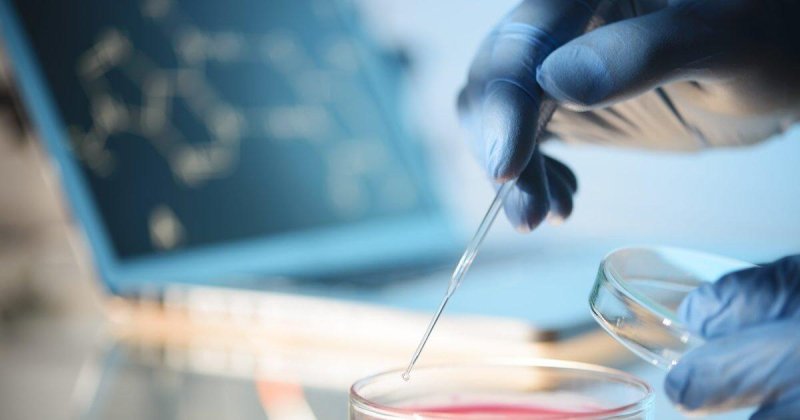
UK scientists are using human genome editing, with a tool called CRISPR, to figure out what causes human embryos to stop developing. Image credit: New York Daily News

The advances made possible by CRISPR could bring vast benefits to society, but the technology also poses risks. An out-of-control gene drive could drastically alter or even threaten a species. And editing the human genome raises risks both for individuals and for society as a whole. To head off those dangers, governments and scientific institutions will have to respond by establishing standards that both enable promising research to go forward and reassure the public that the work is being conducted responsibly.

Experiments in both human genome editing and gene drives are generally classified as “dual use”—research whose results may be used for good or evil.

Although gene drives cannot be used to create new viruses or bacteria—neither type of pathogen reproduces sexually—they could be used to create other kinds of weapons. For example, mosquitoes could be modified to produce toxins or such that they can expand their natural habitat and so spread malaria, dengue fever, or other diseases outside tropical areas.

Indeed, virtually all biological research could plausibly be described as dual use.

This is one reason why all of those who value the lifesaving breakthroughs that biological research has made possible should reject the idea of regulating biological research primarily because it is dual use.

[T]he mere fact that something can be used to do harm must not suffice to trigger regulation.

Read full, original post: Keep CRISPR Safe

{{ reviewsTotal }}{{ options.labels.singularReviewCountLabel }}
{{ reviewsTotal }}{{ options.labels.pluralReviewCountLabel }}
{{ options.labels.newReviewButton }}
{{ userData.canReview.message }}

Related Articles

Infographic: Global regulatory and health research agencies on whether glyphosate causes cancer

Infographic: Global regulatory and health research agencies on whether glyphosate causes cancer

Does glyphosate—the world's most heavily-used herbicide—pose serious harm to humans? Is it carcinogenic? Those issues are of both legal and ...

Most Popular

Screen Shot at AM
Facts & Fallacies Podcast: Right-wing politics bad for your health? Separating speculation from science
ChatGPT-Image-Jun-15-2026-11_00_13-AM-2
Glucosamine alert: Alzheimer’s progresses faster among those taking the popular supplement
ChatGPT-Image-Jun-9-2026-01_11_37-PM
Turmeric supplements: More risks than benefits
ChatGPT-Image-Jun-3-2026-04_29_13-PM
Viewpoint: While unvaccinated children are dying overseas, Congress challenges Trump and Kennedy’s block on aid
ChatGPT-Image-Jun-15-2026-12_13_41-PM
Viewpoint: Behind the effort to re-purpose the tobacco attack strategy to fight ultra-processed foods
Screenshot-2026-06-12-at-2.10.55-PM
Physician warns online statin myths delay care and raise heart risk
ChatGPT-Image-Mar-10-2026-01_39_01-PM
Viewpoint—“Miracle molecule” debunked: Why acemannan supplements don’t work
Screenshot-2026-06-14-at-9.14.26-AM
‘Humanitarian catastrophe’: Trump’s USAID shutdown could help drive nearly 23 million deaths — including 5.4 million children — by 2030, Lancet study warns
ChatGPT-Image-Jun-14-2026-09_41_44-AM-2
Viewpoint—‘The gleeful efficiency of an arsonist’: Administration’s health and science research cuts are ‘sabotaging’ America’s future
ChatGPT-Image-Jun-11-2026-01_15_03-PM
Selective Pressure, Selective Silence
ChatGPT Image Jun 3, 2026, 03_54_37 PM
Viewpoint: “Turn on, tune in, drop out”—Kennedy embraces the Timothy Leary psychedelic revolution
drug look like ozempic
Six key health insights from taking weight-loss drugs
glp menu logo outlined

Get news on human & agricultural genetics and biotechnology delivered to your inbox.