Precision medicine and cancer: More than just ‘mutant-hunting’

mutant

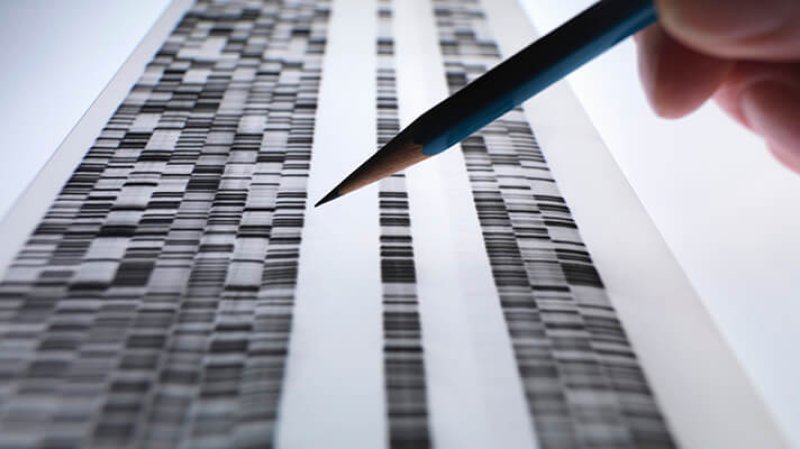
In many of our genome-obsessed minds, the problem of cancer had become reduced to a rather simple, scalable algorithm: find the mutations in a patient, and match those mutations with a medicine. All the other variables — the cellular environment within which the cancer cell was inescapably lodged, the metabolic and hormonal milieu that surrounded the cancer or, for that matter, the human body that was wrapped around it — might as well have been irrelevant blobs receding in the distance.

Mutations within a cancer cell certainly carry information about its physiology — its propensity for growth, its vulnerabilities, its potential to cause lethal disease — but there’s a world of information beyond mutations.

What if the “really clinically useful information” lies within these domains — in the networks of normal genes co-opted by cancer cells, in the mechanisms by which they engage with their host’s immune system or in the metabolic inputs that a cell needs to integrate in order to grow?

The point is that precision medicine is not just precision mutant-hunting.

[T]he reinvention of cancer therapy needs time, patience and diligence — and, yes, skepticism. By narrowing our definition of precision medicine too much, we almost narrowed our ambition to deliver precise, thoughtful therapy — or, at times, no therapy — to our patients. It would be a shame to view cancer through such narrow lenses again.

Read full, original post: The Search for Cancer Treatment Beyond Mutant-Hunting

Related Articles

Infographic: Global regulatory and health research agencies on whether glyphosate causes cancer

Infographic: Global regulatory and health research agencies on whether glyphosate causes cancer

Does glyphosate—the world's most heavily-used herbicide—pose serious harm to humans? Is it carcinogenic? Those issues are of both legal and ...

Most Popular

ChatGPT-Image-Mar-10-2026-01_39_01-PM
Viewpoint—“Miracle molecule” debunked: Why acemannan supplements don’t work
Screenshot-2026-09-16-at-12.07.47-PM
The heated debate over trans athletes in the WNBA
ChatGPT-Image-Sep-9-2026-02_48_24-PM
Viewpoint: Trump-RFK Jr. report on “Gender Ideology & Left-wing Ideology’ targets LGBTQ community—and science
Screenshot-2026-09-10-at-11.50.46-AM
Did COVID vaccines kill 2,500 service members? RFK Jr. hires an investigator who compares vaccine promoters to Nazi doctors
Screenshot-2026-09-10-at-12.20.19-PM
'Jet fuel didn't melt the steel': 9/11 conspiracy theories debunked
Screenshot-2026-09-11-at-2.26.23-PM
Newly approved GMO chestnut trees planted across from the White House are stirring debate
ChatGPT-Image-Sep-15-2026-11_36_23-AM
Doomsday cult? Why we should be suspicious of end-of-the-world claims
ChatGPT-Image-Sep-15-2026-12_15_00-PM
Viewpoint: Women, depression and empathy: Explaining the gender gap in views about child-murderer Lindsay Clancy
Screenshot-2026-09-14-at-4.31.14-PM
Viewpoint: What’s the likely impact when the EPA loosens rules limiting methane pollution from oil and gas wells?
Screenshot-2026-09-15-at-11.04.54-AM
Viewpoint: Childhood deaths in dispute: Why the CDC vs Pennsylvania conflict over measles vaccines matters
Screenshot 2026-09-10 at 11.28
A meaty problem: How to make cell-grown protein taste like steak, chicken, and seafood
ChatGPT-Image-Sep-15-2026-05_59_18-PM
RFK Jr. spent two years distancing himself from Children’s Health Defense. Now he’s keynoting its anti-vaccine DC conference.
Screenshot-2026-09-17-at-12.38.46-PM
Outing students: California court says schools need not notify parents of their child’s gender identity—unless they ask
glp menu logo outlined

Get news on human & agricultural genetics and biotechnology delivered to your inbox.