Dogs trained to sniff out bacterial diseases could protect bee populations

article D F x
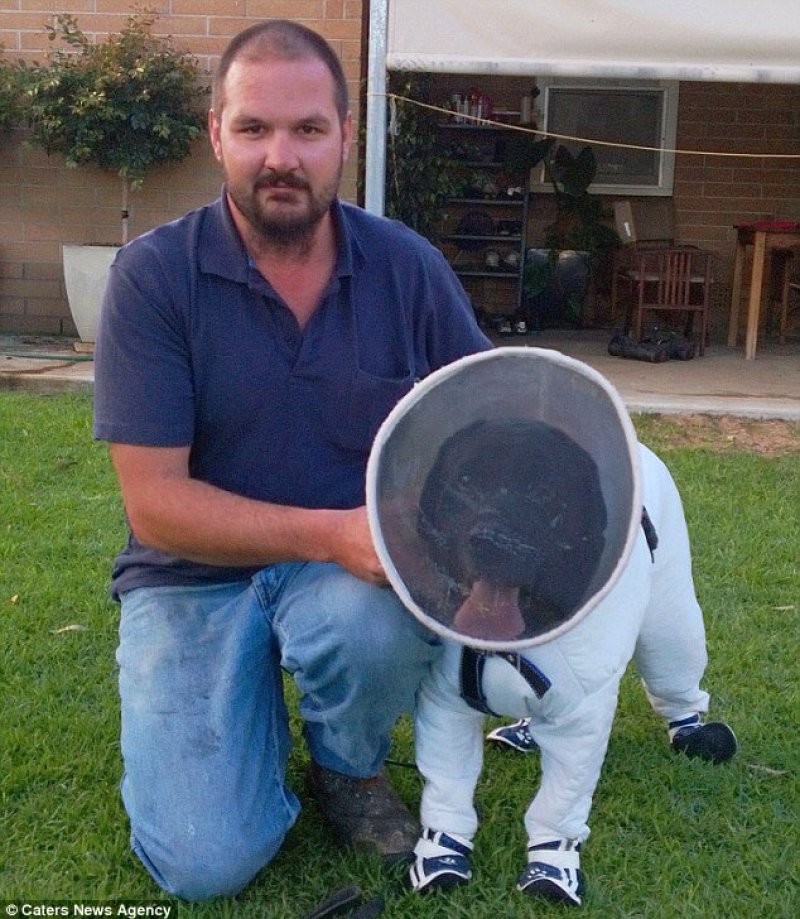
Image Credit: Caters News Agency

A new approach in the fight against American foulbrood – a disease effecting beehives across the world – is the topic of a New Zealand-made film shortlisted in the International Jackson Hole Science Media Awards being held in Boston, USA, this week (26-28 September NZT).

University of Otago Master of Science Communication graduate Sarah Hight’s film, A Million Dollar Nose? examines the novel approach of using sniffer-dogs to detect American foulbrood in beehives. American foulbrood disease is caused by a bacterium which contaminates honey bee larvae and pupae, and is widely considered the most serious disease effecting bees in New Zealand. Contaminated hives and their tens of thousands of bees are often destroyed, costing the honey/beekeeping industry millions of dollars a year.

The film features a Canterbury beehive operation which employs …. a detector dog trainer who believes you can train a dog to detect anything. With sniffer-dogs unproven on a scientific level as a tool against American foulbrood, Ms Hight wanted to create discussion and draw attention to their use.

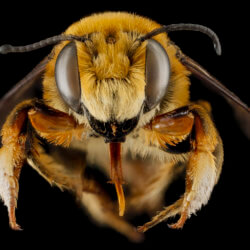
“My intention with A Million Dollar Nose? was to educate people about one of the many threats facing honeybees around the world. On a broader scale, I wanted to encourage people to be open minded towards creative and innovative agricultural tools ….” Ms Hight says.

Read full, original article: Young New Zealand film-maker bringing international attention to plight of bees

Related Articles

Infographic: Global regulatory and health research agencies on whether glyphosate causes cancer

Infographic: Global regulatory and health research agencies on whether glyphosate causes cancer

Does glyphosate—the world's most heavily-used herbicide—pose serious harm to humans? Is it carcinogenic? Those issues are of both legal and ...

Most Popular

Screenshot-2026-09-16-at-2.26.42-PM
Viewpoint: How to ecologically damage America’s forests: Ban glyphosate
Screenshot-2026-09-20-at-9.03.54-AM
From Malaysia to the world: A pioneering science communicator reimagines global science communication for a digital age
ChatGPT-Image-Mar-10-2026-01_39_01-PM
Viewpoint—“Miracle molecule” debunked: Why acemannan supplements don’t work
ChatGPT-Image-Sep-17-2026-12_28_43-PM
Vitamin D, omega-3 fish oil and glucosamine supplements could cause brain damage 
Screenshot-2026-09-20-at-4.31.28-PM
White House drafting executive order to control what OMB Director Vought claims are “woke” NIH science grants
ChatGPT-Image-Sep-20-2026-04_22_32-PM
What’s Trump’s ‘AI Force’? Administration rushes to announce ill-defined watchdog agency and czar amid criticism of its resistance to curb AI acceleration
Screenshot-2026-08-12-at-11.31.46-AM
AI is helping develop new vaccines
Screenshot-2026-09-14-at-4.31.14-PM
Viewpoint: What’s the likely impact when the EPA loosens rules limiting methane pollution from oil and gas wells?
Screenshot-2026-08-19-at-6.19.42-PM
Facts & Fallacies podcast: 'Regenerative farming'? RFK Jr.’s federal push romanticizes the past and risks food security
ChatGPT-Image-Sep-18-2026-10_49_24-AM
‘Symptom borrowing’: Young people are copying health problems they see on TikTok
ChatGPT-Image-Aug-28-2026-03_33_46-PM
Viewpoint: Bad science—Five bogus Trump administration claims about vaccines and autism
ChatGPT-Image-Sep-11-2026-01_53_42-PM
Should doctors engage in social media to counter misinformation?
ChatGPT-Image-Sep-9-2026-02_48_24-PM
Viewpoint: Trump-RFK Jr. report on “Gender Ideology & Left-wing Ideology’ targets LGBTQ community—and science
glp menu logo outlined

Get news on human & agricultural genetics and biotechnology delivered to your inbox.