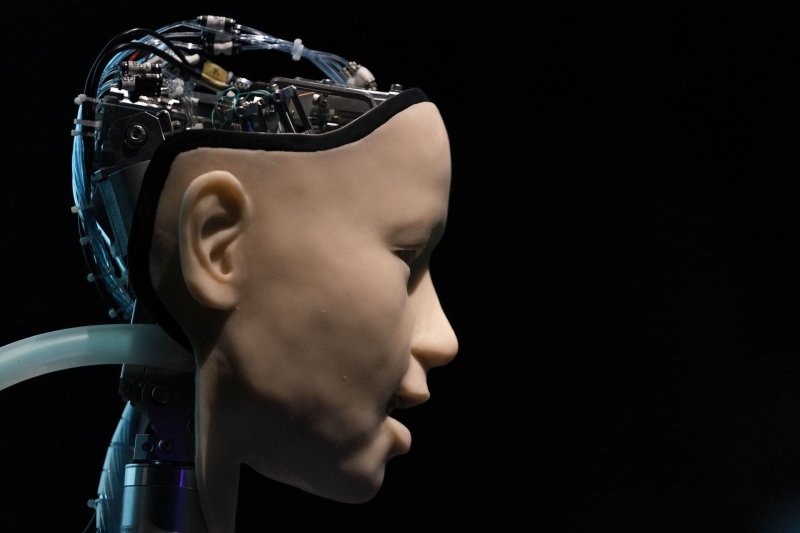
Viewpoint: Before we ‘summon the demon’ of AI, we need a global consensus on ethics

cxxbjlmjv graovkyxv hzm by
Image: Gobind Singh Deo

The potential threats of AI are many, and most people agree that ethical AI that benefits humanity as a whole is critical for this technological quantum leap.

But what exactly does “ethical AI” mean?

Although there’s been numerous attempts at drafting an ethical AI guideline, what remains unclear is if everyone—regardless of sector, socioeconomic status, culture, or religion—is in agreement.

In a study published [September 2] in Nature Machine Learning, a team from ETH Zurich, Switzerland, took a birds-eye view at AI ethics guidelines around the globe. It’s not a uniform sample: wealthy nations, including the US, EU, and Japan, are represented far more than poorer regions such as Africa, Central Asia, and Latin America. Yet even with this skewed sample two conclusions emerged.

One, there’s a strong global convergence towards five ethical principles, including transparency, justice and fairness, non-maleficence, responsibility, and privacy. Two, people can’t really agree on what any of those words mean when it comes to policy.

It’s hard for humanity to agree on anything. But as we summon the demon of artificial general intelligence, “for the benefit of all mankind” should be taking on an entirely new level of meaning.

Read full, original post: What Does Ethical AI Look Like? Here’s What the New Global Consensus Says


{{ reviewsTotal }}{{ options.labels.singularReviewCountLabel }}
{{ reviewsTotal }}{{ options.labels.pluralReviewCountLabel }}
{{ options.labels.newReviewButton }}
{{ userData.canReview.message }}

Related Articles

Infographic: Global regulatory and health research agencies on whether glyphosate causes cancer

Infographic: Global regulatory and health research agencies on whether glyphosate causes cancer

Does glyphosate—the world's most heavily-used herbicide—pose serious harm to humans? Is it carcinogenic? Those issues are of both legal and ...

Most Popular

Credit: ACSH
Viewpoint: Who and what’s to blame for the surge in vaccine-preventable diseases?
ChatGPT-Image-May-28-2026-12_56_54-PM
Viewpoint: Vaccines' non-specific effects? The ‘shoddy’ Danish couple whose 'research’ inspires RFK, Jr.’s health delusion
Organic-Produce
Viewpoint: Why you should ignore organic food advocates’ advice to avoid ‘pesticide soaked’ conventional fruits and vegetables
Screenshot-2026-06-05-at-2.12.30-PM
Some plants can poison you. So how did humans figure out what is safe to eat?
Screenshot-2026-06-08-at-11.05.51-AM
Can vaping lead to cancer? New ‘association study’ raises questions of “links"
ChatGPT Image Jun 3, 2026, 03_14_43 PM
Viewpoint: How Earthjustice became the poster child for the abuse of special interest activist funding
ChatGPT-Image-Jun-5-2026-01_17_48-PM
GLP-1 weight-loss drugs may reshape our desires and emotions
Screenshot-2026-06-05-at-3.30.20-PM
Republican lawmakers spread misinformation claiming solar farms permanently destroy potato farms
edb7f6d7-2370-418f-9578-74e29678e35c
Facts & Fallacies Podcast: Nicotine vaping—public health miracle, or risk to children? Professor Cliff Douglas
Screenshot-2026-06-08-at-10.19.30-AM
‘Natural’ wellness supplements linked to liver injury
ChatGPT-Image-Mar-10-2026-01_39_01-PM
Viewpoint—“Miracle molecule” debunked: Why acemannan supplements don’t work
ChatGPT-Image-May-26-2026-07_51_21-AM-2
Viewpoint: There are more than 1,000 chemicals in a cup of coffee—including many substances that can cause cancer. Why isn’t it banned?
glp menu logo outlined

Get news on human & agricultural genetics and biotechnology delivered to your inbox.