Whole genome sequencing could be the next big thing for consumers

genomesequencing x
Credit: Next Big Future

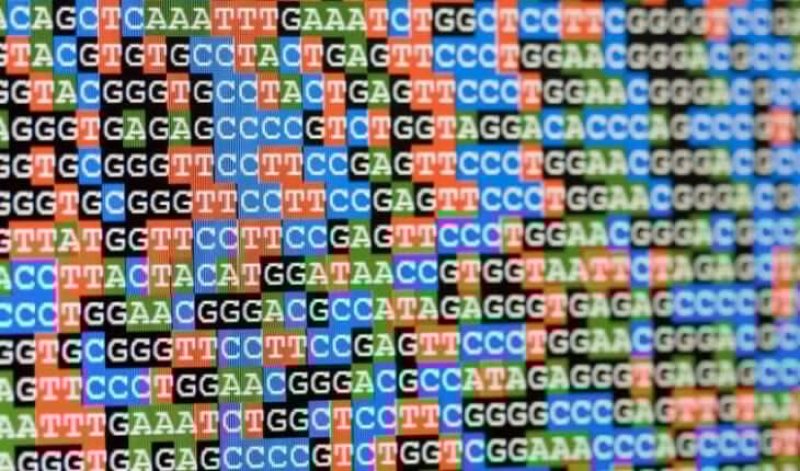
Genome sequencing was once impossibly expensive. The Human Genome Project, an international effort to decode the human genome that launched in 1990, took 13 years and an estimated $2.7 billion to complete. Then, in 2007, DNA pioneer James Watson became the first person to get his genome sequenced for less than $1 million. Since then, the cost of genome sequencing has been decreasing at a rate faster than Moore’s law.

Now, Nebula Genomics, a spinout of Harvard University co-founded by geneticist George Church, is launching an at-home test for less than the price of the latest Apple Watch. At $299, Nebula’s service analyzes a person’s entire genetic code, known as whole genome sequencing.

Whether there is a mass market for whole genome sequencing remains to be seen. Gillian Hooker, president of the National Society of Genetic Counselors, says one hurdle is that many people just haven’t heard of whole genome sequencing or are skeptical of how useful the results will be for managing their health. …

Right now, most people don’t walk away with actionable information, she says. But that will likely change as scientists’ understanding of genetics evolves.

With the price getting increasingly cheaper, whole genome sequencing could soon replace the more limited genetic tests that dominate the market today.


Read the original post

{{ reviewsTotal }}{{ options.labels.singularReviewCountLabel }}
{{ reviewsTotal }}{{ options.labels.pluralReviewCountLabel }}
{{ options.labels.newReviewButton }}
{{ userData.canReview.message }}

Related Articles

Infographic: Global regulatory and health research agencies on whether glyphosate causes cancer

Infographic: Global regulatory and health research agencies on whether glyphosate causes cancer

Does glyphosate—the world's most heavily-used herbicide—pose serious harm to humans? Is it carcinogenic? Those issues are of both legal and ...

Most Popular

ChatGPT Image May 26, 2026, 08_42_17 AM (1)
Viewpoint: Greenpeace and poison: How environmental advocacy groups rely on compliant (and often ignorant) journalists to spread disinformation and spark litigation
Screenshot 2025-07-30 at 10.48
Can gene editing eliminate Down syndrome? Scientists have done it in lab-grown cells
Screenshot-2026-05-28-at-1.36.28-PM
Viewpoint: Can mRNA research survive the Trump administration?
Screenshot-2026-06-02-at-11.59.11-AM
Magnifica Humanitas: Pope’s encyclical broadside against AI naivete and overreach
Screenshot 2025-11-18 at 3.45
Viewpoint—GMOs and sustainability: Why buying organic foods is the least environmentally-sensitive food choice—without offering any health benefits
ChatGPT-Image-May-26-2026-07_51_21-AM-2
Viewpoint: There are more than 1,000 chemicals in a cup of coffee—including many substances that can cause cancer. Why isn’t it banned?
ChatGPT-Image-Jun-2-2026-11_39_58-AM
Viewpoint: Who is RFK, Jr.’s newly-appointed CDC senior counselor, Sara Brenner — Vaccine skeptic and self-proclaimed “MAHA mom”
Picture1
Sounds we can’t hear — the hidden planetary signals behind science, fear, and misinformation
ChatGPT Image May 28, 2026, 08_16_38 PM
Viewpoint: Why the EPA mismeasures cancer risk of chemicals and what should be done to fix it
glp menu logo outlined

Get news on human & agricultural genetics and biotechnology delivered to your inbox.