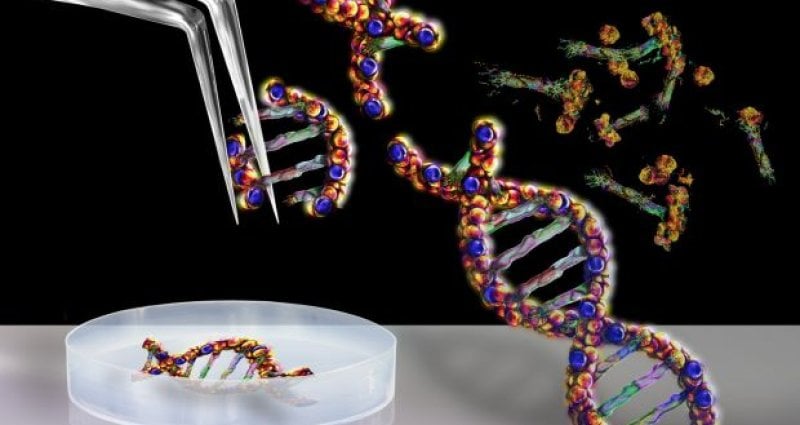
11 things to know about genetic engineering, including how it’s helping us fight disease

image

What are some interesting facts about genetic engineering, and why it is important?

…

  1. Genetically engineered things are actually all around us

Genetic engineering techniques are used widely today for research, agriculture, industrial biotechnology, and medicine. For example, genetically modified enzymes used in laundry detergent or medicine like insulin and human growth hormone can now be readily created in GMO cells.

…

  1. Genetic modification is something of an ethical dilemma

While the practical benefits of genetic engineering are readily demonstratable, there are some ethical and ecological concerns around them. For example, genetic modification of human embryos is, rightfully, considered unethical.

…

  1. Genetic engineering can be used on any kind of organism

As we have seen, a wide swathe of organisms can be altered using genetic engineering. This can range from anything from a lowly virus to an entire sheep. 

  1. Genetically modified animals are helping with some very serious human diseases and disorders

As we have already touched on, genetic engineering is being used to treat some very serious human diseases and disorders like diabetes with insulin. But it is also being put to work providing therapeutic solutions for other serious health issues like Alzheimer’s and cystic fibrosis.

Read the original post

Related Articles

Infographic: Global regulatory and health research agencies on whether glyphosate causes cancer

Infographic: Global regulatory and health research agencies on whether glyphosate causes cancer

Does glyphosate—the world's most heavily-used herbicide—pose serious harm to humans? Is it carcinogenic? Those issues are of both legal and ...

Most Popular

ChatGPT-Image-Mar-10-2026-01_39_01-PM
Viewpoint—“Miracle molecule” debunked: Why acemannan supplements don’t work
Diet Soda with Measuring Tape 2
Science challenges anti-soda activists: No, sodas won’t make you fat
Screenshot 2026-10-16 at 5.38
PFAS in Agriculture: Science, Uncertainty, and Risk Communication
Strawberry Clamshell with Warning Sticker
Viewpoint: Activists hype ‘dangerous level’ of pesticide residues in Driscoll berries: Separating health concerns from fear-mongering
Rustic Skillet of Raw Brains
‘Weird food’? Testicle- and brain-eating, supplement-gulping MAHA health food enthusiasts defend their ‘natural’ diets
Cancer mRNA Vaccine Concept
'A new frontier': Though scorned by RFK Jr., personalized mRNA vaccine offers hope for many suffering from melanoma skin cancer
Government Briefing on Autism Trends
Viewpoint: ‘Statistical murder’: Kennedy’s expanding record of “duplicity and mendacity”
Screenshot-2026-10-22-at-12.45.14-PM
Pennsylvania tells doctors to prepare for a surge in newborn measles cases—a complication unseen in decades
png_cheese_Raw_milk
100% raw milk, 100% misguided: As MAHA-fueled demand for unpasteurized milk soars, American Academy of Pediatrics renews call for a ban on its sale and distribution
Serene Mature Woman in Abstract Waves
Testosterone’s growing appeal to women: It anecdotally mildly improves sex life, but are there any other potential benefits—or red flags?
Crimson Drips Over the White House
In Trump administration redirect, U.S. steers NIH sharply away from biodefense and pandemic preparedness
Prescription Capsules Scattered on Twenty-Dollar Bills
Facts & Fallacies podcast: America's health care system is broken. A doctor explains how to fix it, Part 2
glp menu logo outlined

Get news on human & agricultural genetics and biotechnology delivered to your inbox.