Science around coronavirus reinfection remains unsettled

x
Credit: DPA/Picture Alliance
[A] Vox article written by a primary care doctor in Washington D.C. laid out an imminent and frightening pandemic scenario, based on one of his own cases: People coming down with a second, possibly worse bout of covid-19 within months of their first infection.

South Korean health officials reported on hundreds of these “relapsed” cases within their country as early as April, however, they concluded that the second round of positive samples they had found were likely the result of dead coronavirus still lingering in patients.

Reinfection concerns have been further amplified by studies suggesting that people’s levels of antibodies to the virus generally take a sharp drop within two to three months.

But right now, according to the Columbia University virologist Angela Rasmussen, these concerns aren’t backed up by concrete data.

Follow the latest news and policy debates on sustainable agriculture, biomedicine, and other ‘disruptive’ innovations. Subscribe to our newsletter.

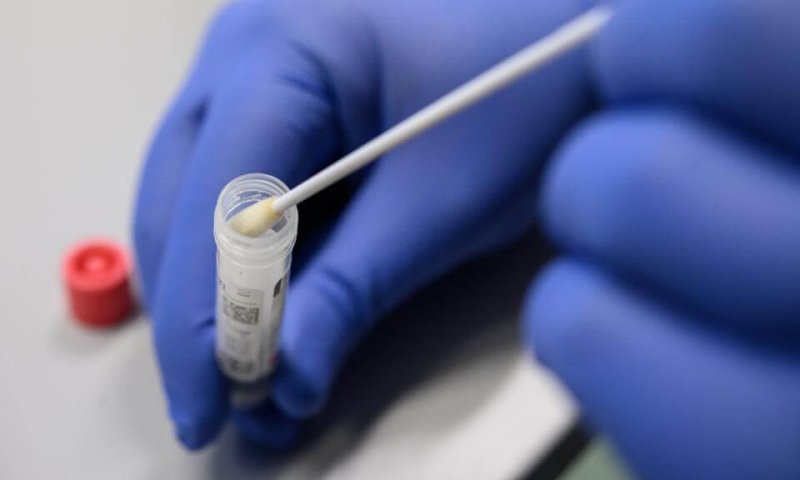
“As far as I know, there hasn’t been a documented case of reinfection,” she told Gizmodo. “People who have tested positive after recovering have not been associated with new cases, and attempts to culture infectious virus from their samples have all been negative, suggesting that the positive test was detecting residual viral RNA, not bona fide replicating virus.”

This doesn’t mean that covid-19 reinfection isn’t possible. It’s just that the science around how natural immunity to SARS-CoV-2 works is very much unsettled.


Read the original post

{{ reviewsTotal }}{{ options.labels.singularReviewCountLabel }}
{{ reviewsTotal }}{{ options.labels.pluralReviewCountLabel }}
{{ options.labels.newReviewButton }}
{{ userData.canReview.message }}

Related Articles

Infographic: Global regulatory and health research agencies on whether glyphosate causes cancer

Infographic: Global regulatory and health research agencies on whether glyphosate causes cancer

Does glyphosate—the world's most heavily-used herbicide—pose serious harm to humans? Is it carcinogenic? Those issues are of both legal and ...

Most Popular

Screenshot 2025-08-25 203032
Mazzenga’s 20-year old muscles: How a still-going-strong 92-year old sprinter wins every race she enters
Screenshot-2026-06-08-at-10.19.30-AM
‘Natural’ wellness supplements linked to liver injury
ChatGPT-Image-May-28-2026-12_56_54-PM
Viewpoint: Vaccines' non-specific effects? The ‘shoddy’ Danish couple whose 'research’ inspires RFK, Jr.’s health delusion
Screenshot-2026-06-05-at-2.12.30-PM
Some plants can poison you. So how did humans figure out what is safe to eat?
Credit: ACSH
Viewpoint: Who and what’s to blame for the surge in vaccine-preventable diseases?
Screen Shot at AM
Facts & Fallacies Podcast: Right-wing politics bad for your health? Separating speculation from science
Screenshot-2026-06-05-at-1.44.09-PM
Viewpoint: Scientists have scrapped the worst-case climate scenario. Is that proof that climate change is a hoax, as Trump claims?
ChatGPT-Image-Jun-9-2026-03_24_05-PM
Misinformed parents overdosing children with Vitamin A to fight measles
Screenshot 2025-07-30 at 10.48
Can gene editing eliminate Down syndrome? Scientists have done it in lab-grown cells
ChatGPT-Image-Mar-10-2026-01_39_01-PM
Viewpoint—“Miracle molecule” debunked: Why acemannan supplements don’t work
ChatGPT-Image-Jun-9-2026-11_54_59-AM
Why weight-loss drugs might be reducing cancer rates and making treatment more effective
Screenshot-2026-06-08-at-11.05.51-AM
Can vaping lead to cancer? New ‘association study’ raises questions of “links"
glp menu logo outlined

Get news on human & agricultural genetics and biotechnology delivered to your inbox.