Here’s why women are overmedicated

image pexels cottonbro hires
Credit: Pexels

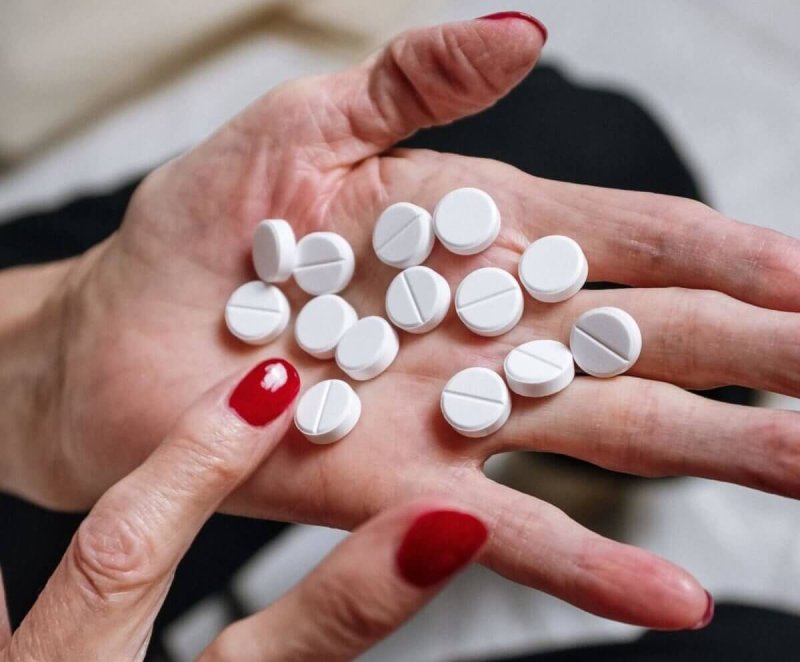
Researchers analyzed data from several thousand medical journal articles and found clear evidence of a drug dose gender gap for 86 different medications approved by the Federal Drug Administration (FDA), including antidepressants, cardiovascular and anti-seizure drugs and analgesics, among others.

“When it comes to prescribing drugs, a one-size-fits-all approach, based on male-dominated clinical trials, is not working, and women are getting the short end of the stick,” said study lead author Irving Zucker, a professor emeritus of psychology and of integrative biology at UC Berkeley.

Women in the studies analyzed by Zucker and University of Chicago psychologist Brian Prendergast were given the same drug dose as the men, yet had higher concentrations of the drug in their blood, and it took longer for the drug to be eliminated from their bodies.

And, in more than 90% of cases, women experienced worse side effects, such as nausea, headache, depression, cognitive deficits, seizures, hallucinations, agitation and cardiac anomalies. Overall, they were found to experience adverse drug reactions nearly twice as often as men.

Follow the latest news and policy debates on sustainable agriculture, biomedicine, and other ‘disruptive’ innovations. Subscribe to our newsletter.

For decades, women were excluded from clinical drug trials based, in part, on unfounded concerns that female hormone fluctuations render women difficult to study, Zucker said… “Neglect of females is widespread, even in cell and animal studies where the subjects have been predominantly male.”


Read the original post

{{ reviewsTotal }}{{ options.labels.singularReviewCountLabel }}
{{ reviewsTotal }}{{ options.labels.pluralReviewCountLabel }}
{{ options.labels.newReviewButton }}
{{ userData.canReview.message }}

Related Articles

Infographic: Global regulatory and health research agencies on whether glyphosate causes cancer

Infographic: Global regulatory and health research agencies on whether glyphosate causes cancer

Does glyphosate—the world's most heavily-used herbicide—pose serious harm to humans? Is it carcinogenic? Those issues are of both legal and ...

Most Popular

Picture1-5
Science Disinformation Gap: The transatlantic battle over social media and censorship
ChatGPT Image May 10, 2026, 08_16_59 PM 2
Overmedicalization? RFK Jr.’s antidepressant crackdown raises conflict questions over his fee stake in Wisner Baum, the tort firm built on suing drug makers
Picture1-1
Cooling the planet with balloons: Could a geoengineering gamble slow global warming?
Screenshot-2026-05-12-at-9.58.31-PM
'He seems fine': Marty Makary out as FDA commissioner
Screenshot-2026-05-11-104424
Hantavirus outbreak research: Trump administration shut down study last year on rodent-to-human transmission
Screenshot 2026-05-11 at 11.30
Despite politicized disinformation, Midwest AI data centers are fueling a solar energy boom
ChatGPT-Image-May-12-2026-08_39_41-PM
GLP podcast: Big Pharma, Big Ag, Big Food—health harming industries or life-saving innovators?
Picture1-14
When superbugs threaten vulnerable children: Can AI help solve antibiotic resistance?
images
The never-ending GMO debate: Pros and cons
Screenshot-2026-04-23-at-11.00.36-AM
Regulators' dilemma: Thalidomide, Metformin, and the cost of getting drug approvals wrong
glp menu logo outlined

Get news on human & agricultural genetics and biotechnology delivered to your inbox.