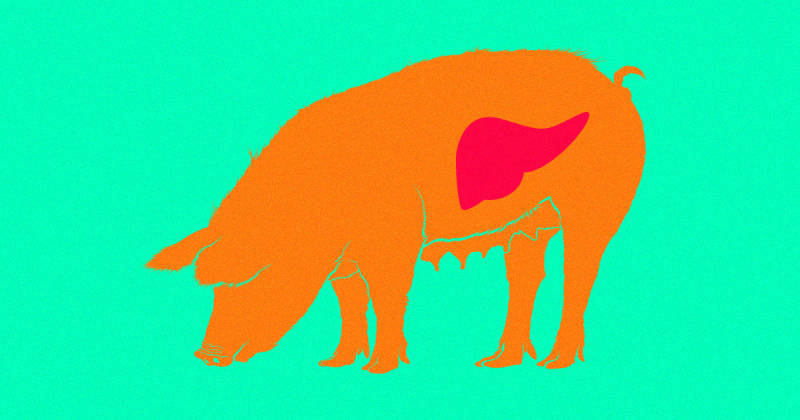
CRISPR has brought pig-to-human organ transplants to the cusp of reality

organ shortage worse animal organs x
Credit: Christophe Gorkhs/Pixabay/Tag Hartman-Simkins

In a study published [September 21] in the Nature Biomedical Engineering journal, the researchers said they used CRISPR–Cas9 and a combination of other genetic technologies to inactivate porcine endogenous retroviruses (PERVs), a group of viruses that could be dangerous to humans, while also enhancing the pigs’ immunological and blood-coagulation compatibility with humans, which could reduce the risk of rejection by organ recipients.

The engineered pigs exhibited normal physiology, fertility and transmission of the edited genes to their offspring, according to the paper.

Transplants from pigs have long been investigated as a solution to the global shortage of human organs for patients with organ failure, for reasons such as the size of their organs – similar enough to those of humans – and their relatively short maturity period of about six months.

The risks of organ rejection due to the biological incompatibility of pig organs with human bodies and of transmitting PERVs have limited the clinical applicability of such transplants, but advancements in gene-editing technology have given researchers new hope.

Follow the latest news and policy debates on sustainable agriculture, biomedicine, and other ‘disruptive’ innovations. Subscribe to our newsletter.

George Church, one of the authors from Harvard Medical School and a co-founder of Hangzhou-based Qihan Bio, was quoted by Chinese news agency Xinhua as saying that if the technology used can be further verified in future research, it could help alleviate the global shortage of human organs to a large extent.


Read the original post

{{ reviewsTotal }}{{ options.labels.singularReviewCountLabel }}
{{ reviewsTotal }}{{ options.labels.pluralReviewCountLabel }}
{{ options.labels.newReviewButton }}
{{ userData.canReview.message }}

Related Articles

Infographic: Global regulatory and health research agencies on whether glyphosate causes cancer

Infographic: Global regulatory and health research agencies on whether glyphosate causes cancer

Does glyphosate—the world's most heavily-used herbicide—pose serious harm to humans? Is it carcinogenic? Those issues are of both legal and ...

Most Popular

Screenshot-2026-06-17-at-12.31.01-PM
Viewpoint: The dangerous influence of ‘woke’ post-modernism in science
ChatGPT-Image-Mar-10-2026-01_39_01-PM
Viewpoint—“Miracle molecule” debunked: Why acemannan supplements don’t work
marijuana-pot-in-hand-nveri-st-xpm-t-abq-fkifeos-s-rws-cmpx-
Facts & Fallacies podcast: Legalized weed drives drug addiction, psychosis?
ChatGPT-Image-Jun-25-2026-12_23_17-PM
No, Bill Gates did not secretly engineer ticks to promote veganism
Sampling_a_strawberry_32206461974
Viewpoint: Which is worse: Trace PFAS ‘forever chemicals’ on strawberries or the fear that scares people away from eating them?
ChatGPT-Image-Mar-4-2026-09_39_03-AM
Transgender female athletes and Title IX: Separating ‘policy’ from ‘legality’
photodune farming tractor s
Viewpoint: Glyphosate may be hazardous, but it is not dangerous as used by farmers. Critics of the Supreme Court’s Roundup ruling garble hazard with risk
ChatGPT-Image-Jun-25-2026-01_14_50-PM
Viewpoint: Disinformation grift: The wellness industry is a lucrative and mostly worthless marketplace of ‘balms, brews, and baloney’
ChatGPT-Image-Jun-30-2026-11_55_58-AM
Viewpoint—Junk science: How predatory mass tort lawyers twist facts, scare the public about phantom chemical risks, and cash in on billion-dollar settlements
NYPICHPDPICT000011561063
Viewpoint: From magnetizing your head to taking useless supplements, the wellness craze has morphed into an obsession of the affluent
covid-vaccine
Blocked by Kennedy’s CDC, validated by peer-reviewed scientists: Suppressed COVID vaccine study published in JAMA finds 50% risk cut
ChatGPT-Image-Jun-19-2026-04_11_20-PM
Daubert for Dummies—Scientific Reliability in U.S. Courts: Daubert, Rule 702, and Made-for-Litigation Evidence
Trans-flag
Explaining the Supreme Court ruling empowering states to ban transgender female athletes from competing in women’s sports
glp menu logo outlined

Get news on human & agricultural genetics and biotechnology delivered to your inbox.