Viewpoint: Are health advocates and politicians overselling the value of masks?

Credit: Getty Images

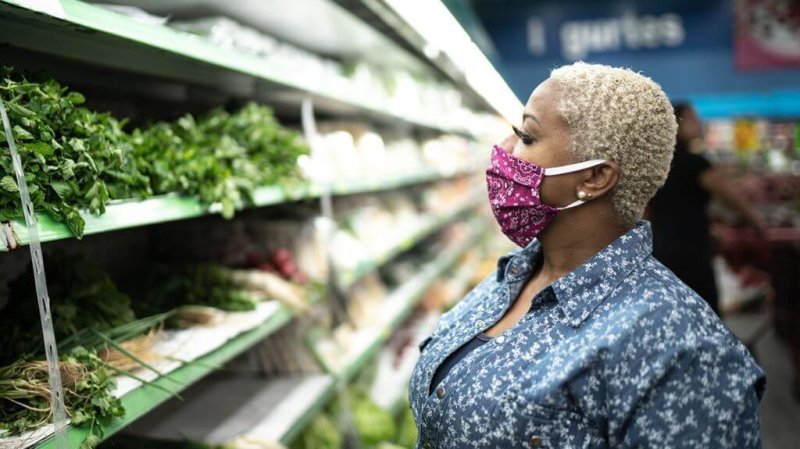
The public assumes that research performed since the beginning of the pandemic supports mask mandates. Policy makers and the media point to low-quality evidence, such as a study of Covid-19 positive hairstylists in Missouri or a Georgia summer camp with an outbreak. These anecdotes, while valuable, tell us nothing about the experience of other hairdressers or other summer camps that adopted similar or different masking practices. Also low-quality evidence: Videos of droplets spreading through air as people talk, a well-intended line of research that has stoked fears about regular human interactions.

[Editor’s note: Dr. Ladapo is an associate professor at UCLA’s David Geffen School of Medicine.]

Mis- and disinformation are distorting science and public policy. Subscribe to our Daily and Weekly Digests for incisive coverage of ‘disruptive’ innovations in AI, agricultural biotechnology, food, chemicals, nuclear energy, vaccines, and other disruptive innovations.

Rather, the highest-quality evidence so far is studies like the one published in June in Health Affairs, which found that U.S. states instituting mask mandates had a 2% reduction in growth rates of Covid-19 compared with states without these mandates. Because respiratory virus spread is exponential, modest reductions can translate into large differences over time. But these shifts in trajectory are distinct from the notion that mandating masks will bring the pandemic to an end. Based on evidence around the world, it should be clear that mask mandates won’t extinguish the virus.


The most reasonable conclusion from the available scientific evidence is that community mask mandates have—at most—a small effect on the course of the pandemic.


Read the original post

Related Articles

Infographic: Global regulatory and health research agencies on whether glyphosate causes cancer

Infographic: Global regulatory and health research agencies on whether glyphosate causes cancer

Does glyphosate—the world's most heavily-used herbicide—pose serious harm to humans? Is it carcinogenic? Those issues are of both legal and ...

Most Popular

ChatGPT-Image-Sep-17-2026-12_28_43-PM
Vitamin D, omega-3 fish oil and glucosamine supplements could cause brain damage 
ChatGPT-Image-Mar-10-2026-01_39_01-PM
Viewpoint—“Miracle molecule” debunked: Why acemannan supplements don’t work
ChatGPT-Image-Sep-17-2026-10_17_15-AM
Viewpoint: Why are the less intelligent more likely to be conservative—and smarter people more socially liberal?
Screenshot-2026-09-10-at-12.20.19-PM
'Jet fuel didn't melt the steel': 9/11 conspiracy theories debunked
Screenshot 2026-07-29 at 10.40
The COVID vaccine turbo cancer scare is back. Science still proves it’s wrong.
Screenshot-2026-09-16-at-12.07.47-PM
The heated debate over trans athletes in the WNBA
Screenshot-2026-09-10-at-11.50.46-AM
Did COVID vaccines kill 2,500 service members? RFK Jr. hires an investigator who compares vaccine promoters to Nazi doctors
ChatGPT-Image-Aug-28-2026-03_33_46-PM
Viewpoint: Bad science—Five bogus Trump administration claims about vaccines and autism
glp menu logo outlined

Get news on human & agricultural genetics and biotechnology delivered to your inbox.