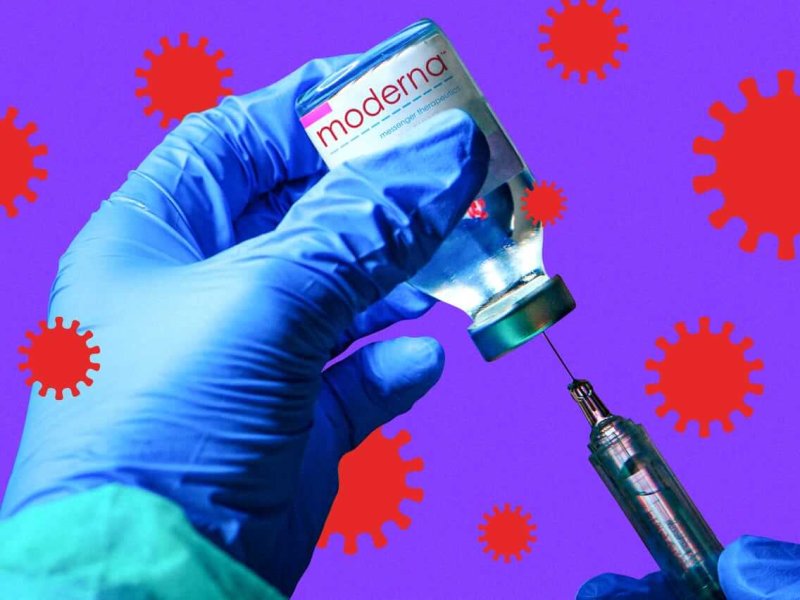
Emergency use authorizations for COVID vaccines seem like a no brainer, but they potentially pose real threats. Here’s why

Credit: Samantha Lee/Business Insider

The FDA can grant an [emergency use authorization, or EUA] to a drug to treat COVID-19 to facilitate the distribution of new therapeutics when there are no alternatives. EUAs are an important tool during the early stages of any pandemic because they loosen restrictions on novel treatment options. The problem is that they end up interfering with clinical trials that would provide the best evidence on whether these drugs are safe and effective.

The FDA granted hydroxychloroquine EUA status on April 27, and less than two months later, on June 15, it was revoked after it became clear that at least one study supporting its use was based on questionable data and new scientific evidence showed that it had little to no effect in treating COVID-19 patients. Other research even indicated adverse events in patients who took it.

Follow the latest news and policy debates on sustainable agriculture, biomedicine, and other ‘disruptive’ innovations. Subscribe to our newsletter.

In all cases, even if a drug does turn out to be effective, granting a therapy EUA before it has completed clinical testing undermines the data and stunts the ability to properly collect and analyze that information to ultimately inform treatment decisions. When the FDA granted an EUA for remdesivir, our clinical trials on the drug came to a stop.


Read the original post

{{ reviewsTotal }}{{ options.labels.singularReviewCountLabel }}
{{ reviewsTotal }}{{ options.labels.pluralReviewCountLabel }}
{{ options.labels.newReviewButton }}
{{ userData.canReview.message }}

Related Articles

Infographic: Global regulatory and health research agencies on whether glyphosate causes cancer

Infographic: Global regulatory and health research agencies on whether glyphosate causes cancer

Does glyphosate—the world's most heavily-used herbicide—pose serious harm to humans? Is it carcinogenic? Those issues are of both legal and ...

Most Popular

ChatGPT-Image-Jun-9-2026-01_11_37-PM
Turmeric supplements: More risks than benefits
ChatGPT-Image-Mar-10-2026-01_39_01-PM
Viewpoint—“Miracle molecule” debunked: Why acemannan supplements don’t work
Screenshot-2026-06-05-at-2.12.30-PM
Some plants can poison you. So how did humans figure out what is safe to eat?
Screenshot-2026-06-17-at-9.44.03-AM
Viewpoint: Embryos are becoming the newest battleground of love, loss, and legal uncertainty
wuhan institute of virology main entrance
​​COVID lab leak? Making a case that the Wuhan market origins theory is wrong
ChatGPT-Image-Jun-14-2026-09_41_44-AM-2
Viewpoint—‘The gleeful efficiency of an arsonist’: Administration’s health and science research cuts are ‘sabotaging’ America’s future
ChatGPT Image May 26, 2026, 08_42_17 AM (1)
Viewpoint: Greenpeace and poison: How environmental advocacy groups rely on compliant (and often ignorant) journalists to spread disinformation and spark litigation
ChatGPT-Image-Jun-11-2026-01_15_03-PM
Selective Pressure, Selective Silence
ChatGPT-Image-May-18-2026-12_06_18-PM-2
Defying death: The immortality movement goes mainstream

Sorry. No data so far.

glp menu logo outlined

Get news on human & agricultural genetics and biotechnology delivered to your inbox.