Drought-tolerant GM corn comes with added, unexpected benefit—pest resistance

Credit: CIMMYT
Credit: CIMMYT

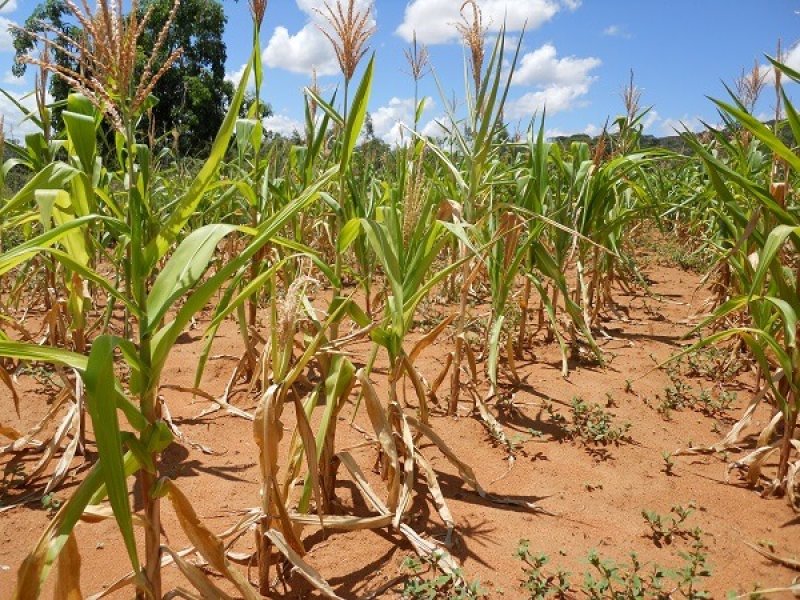
Water stress arising from drought conditions can trigger outbreaks of bark beetles, wood borers, and sap feeders like spider mites. But a team of researchers led by Ricardo Ramirez, Ph.D., associate professor of biology at Utah State University, discovered that plants that are bred (and sometimes engineered) to resist drought can also fend off mites. Their research was published November 25 in the Journal of Economic Entomology.

Water-stressed plants usually increase their tissue concentrations of sugars, amino acids, and other inorganic compounds. Therefore, the plants’ nutritional value increases, particularly to herbivorous animals. Mite species especially have shown increased reproductive rates, shorter generational turnover times, and faster egg hatches on water-stressed plants than they do on plants in optimal conditions.

Follow the latest news and policy debates on sustainable agriculture, biomedicine, and other ‘disruptive’ innovations. Subscribe to our newsletter.

The team tested how drought-tolerant and drought-susceptible corn hybrid plants grown in varying irrigation levels affected Banks grass mite levels in the greenhouse. Then, populations of O. pratensis were evaluated in a two-year field experiment with drought-tolerant and drought-susceptible corn hybrids.

The findings were surprising—mite population responses were similar in tolerant and susceptible plants undergoing optimal irrigation. But when water was held back (simulating a drought), mite populations were reduced overall on all three types of drought-tolerant plants.


Read the original post

{{ reviewsTotal }}{{ options.labels.singularReviewCountLabel }}
{{ reviewsTotal }}{{ options.labels.pluralReviewCountLabel }}
{{ options.labels.noReviewsLabel }}
{{ options.labels.newReviewButton }}
{{ userData.canReview.message }}

Related Articles

Infographic: Global regulatory and health research agencies on whether glyphosate causes cancer

Infographic: Global regulatory and health research agencies on whether glyphosate causes cancer

Does glyphosate—the world's most heavily-used herbicide—pose serious harm to humans? Is it carcinogenic? Those issues are of both legal and ...

Most Popular

ChatGPT-Image-Mar-10-2026-01_39_01-PM
Viewpoint—“Miracle molecule” debunked: Why acemannan supplements don’t work
Screenshot 2025-09-17 at 12.41
Misinformation alert: No, glyphosate use in Canadian forests is not spurring more wildfires
Screenshot 2026-07-11 094410
Growing animal muscle and fat cells inside rice grains and calling it beef: One of numerous genetically engineered products shaking up our ecosystem
ChatGPT-Image-Jul-9-2026-02_39_22-PM
Viewpoint: Polyphenols or NAD+ supplements to combat aging: No, Gwenyth Paltrow and followers, don’t waste your money.
file-f-d-d-
Facts & Fallacies Podcast: Europe's AC debacle underscores fatal flaw in green activism
ChatGPT-Image-Jul-8-2026-12_32_48-PM
Viewpoint: SCOTUS strikes a blow against junk science in Bayer glyphosate case. Will it deter mass tort litigators?
ChatGPT-Image-Jun-25-2026-12_23_17-PM
No, Bill Gates did not secretly engineer ticks to promote veganism
ChatGPT-Image-Jul-7-2026-01_57_55-PM
Viewpoint: Europe’s rejection of air conditioning is the poster child for misunderstanding how to mitigate the impact of climate change
afb-a-b
As the EU loosens restrictions on agricultural gene editing, it remains years behind the rest of the world on equally-safe GMO foods
ChatGPT-Image-Jul-1-2026-03_33_49-PM
‘Alternative’ cancer treatments that could kill you

Sorry. No data so far.

glp menu logo outlined

Get news on human & agricultural genetics and biotechnology delivered to your inbox.