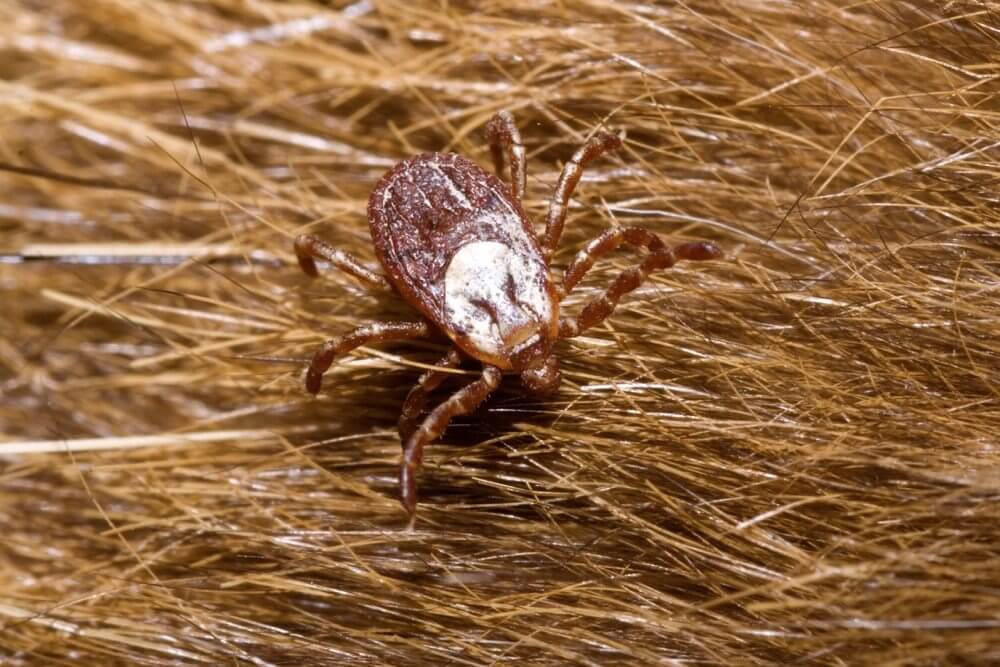
The 14-month award funds a feasibility project to determine if Oxitec’s self-limiting insect technology can be used to control the disease-spreading cattle blue tick, Rhipicephalus microplus. Oxitec, which has already adapted its “Friendly” technology to manage the devastating fall armyworm crop pest and the mosquito species that transmits Zika, dengue and other diseases, will work with Clinglobal, an animal health service provider, on the tick project.
The ticks are parasites that feed on the blood of cattle and other livestock, resulting in losses totaling billions of dollars each year. The ticks also transmit deadly diseases, such as babesiosis and anaplasmosis. Though native to Asia, like many pests the tick has now spread around the world, causing particular devastation in sub-Saharan Africa and the Americas. In addition to expanding their range, the ticks are increasingly resistant to the two chemical pesticides now used to control them, acaricides and pyrethoids, prompting an effort to find alternatives that are effective and environmentally safe.
Oxitec’s Friendly technology is a species-specific approach to controlling pest insects without the use of pesticides. It works by genetically engineering male insects to contain a self-limiting gene. When they are released into high infestation areas to mate with wild females, the offspring they produce do not live to maturity, thus naturally suppressing the population to low levels.
Brazil recently approved the use of Oxitec’s Friendly technology to control fall armyworm and trials are currently under way in the Florida Keys to test the efficacy of the technology in managing disease-carrying mosquitoes there.

“The foundation’s investment will enable us to expand our technology to improve the lives and livelihoods of communities around the world,” said Oxitec CEO Grey Frandsen. “The cattle tick is a devastating pest, causing high rates of cattle mortality, which in turn impacts the lives of farmers and food security globally. With few effective solutions available to farmers, this new program will lay the groundwork for a safe and sustainable solution accessible to farmers around the world.”
The BMGF, which also funds the Alliance for Science, previously invested in Oxitec’s work to apply the Friendly technology to mosquitoes. Oxitec is now working to adapt its Friendly technology platform to develop self-limiting Anopheles stephensi and Anopheles albimanus mosquitoes in an effort to control malaria in the Horn of Africa and the Americas, respectively. The foundation also supports Clinglobal’s expertise in controlling tick and tick-borne diseases.
Joan Conrow has more than 35 years of experience as a journalist and editor. She specializes in environmental issues, biotechnology, and agriculture, and is especially interested in how these highly charged topics are playing out globally. Joan holds a BA in history and journalism and is certified in beekeeping, mediation, and facilitation. Find Joan on Twitter @joanconrow
A version of this article was originally posted at the Cornell Alliance for Science and has been reposted here with permission. The Cornell Alliance for Science can be found on Twitter @ScienceAlly