Viewpoint: ‘A toxic soup of insecticides, herbicides and fungicides is wreaking havoc’ on soil in farms around the world

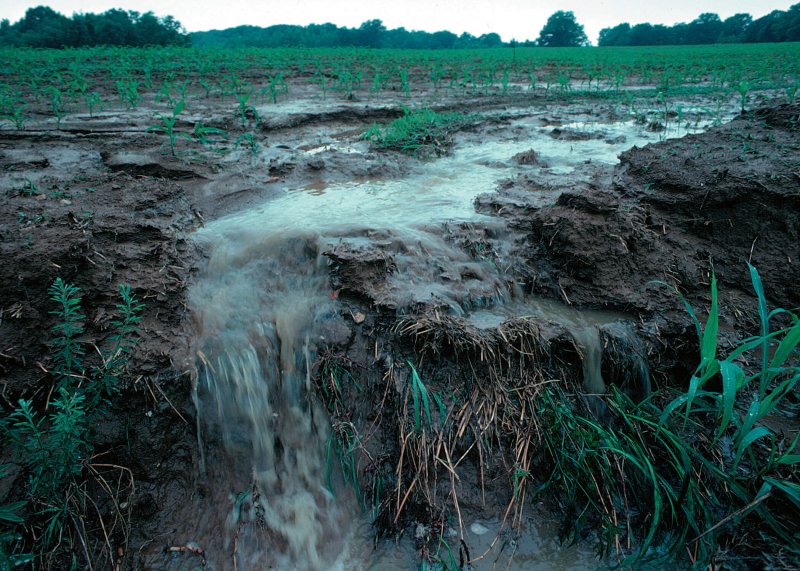
Credit: Lynn Betts
Credit: Lynn Betts

Like citizens of an underground city that never sleeps, tens of thousands of subterranean species of invertebrates, nematodes, bacteria and fungi are constantly filtering our water, recycling nutrients and helping to regulate the earth’s temperature.

But beneath fields covered in tightly knit rows of corn, soybeans, wheat and other monoculture crops, a toxic soup of insecticides, herbicides and fungicides is wreaking havoc, according to our newly published analysis in the journal Frontiers in Environmental Science.

The study, the most comprehensive review ever conducted on how pesticides affect soil health, should trigger immediate and substantive changes in how regulatory agencies like the EPA assess the risks posed by the nearly 850 pesticide ingredients approved for use in the U.S.

Mis- and disinformation are distorting science and public policy. Subscribe to our Daily and Weekly Digests for incisive coverage of ‘disruptive’ innovations in AI, agricultural biotechnology, food, chemicals, nuclear energy, vaccines, and other disruptive innovations.

[O]ur analysis, conducted by researchers at the Center for Biological Diversity, Friends of the Earth and the University of Maryland… encompassed 275 unique species or types of soil organisms and 284 different pesticides or pesticide mixtures. 
[See GLP Profile: Friends of the Earth]

In just over 70 percent of those experiments, pesticides were found to harm organisms that are critical to maintaining healthy soils—harms that currently are never considered in the EPA’s safety reviews.

The ongoing escalation of pesticide-intensive agriculture and pollution are major driving factors in the precipitous decline of many soil organisms, like ground beetles and ground-nesting bees. 

Read the original post

Related Articles

Infographic: Global regulatory and health research agencies on whether glyphosate causes cancer

Infographic: Global regulatory and health research agencies on whether glyphosate causes cancer

Does glyphosate—the world's most heavily-used herbicide—pose serious harm to humans? Is it carcinogenic? Those issues are of both legal and ...

Most Popular

ChatGPT-Image-Sep-17-2026-12_28_43-PM
Vitamin D, omega-3 fish oil and glucosamine supplements could cause brain damage 
ChatGPT-Image-Mar-10-2026-01_39_01-PM
Viewpoint—“Miracle molecule” debunked: Why acemannan supplements don’t work
ChatGPT-Image-Sep-17-2026-10_17_15-AM
Viewpoint: Why are the less intelligent more likely to be conservative—and smarter people more socially liberal?
Screenshot-2026-09-10-at-12.20.19-PM
'Jet fuel didn't melt the steel': 9/11 conspiracy theories debunked
Screenshot-2026-09-10-at-11.50.46-AM
Did COVID vaccines kill 2,500 service members? RFK Jr. hires an investigator who compares vaccine promoters to Nazi doctors
Screenshot-2026-09-16-at-12.07.47-PM
The heated debate over trans athletes in the WNBA
Screenshot 2026-07-29 at 10.40
The COVID vaccine turbo cancer scare is back. Science still proves it’s wrong.
ChatGPT-Image-Aug-28-2026-03_33_46-PM
Viewpoint: Bad science—Five bogus Trump administration claims about vaccines and autism
glp menu logo outlined

Get news on human & agricultural genetics and biotechnology delivered to your inbox.