


The sheer size and apparent ferocity of T. rex has been apparent from the outset, but, paleontologists have learned, this Cretaceous meat-eater and its relatives really did have a tyrannical clawhold on the ecosystems they lived in.
The differences between adult and adolescent tyrannosaurs were so great that the animals almost lived like different species, pushing out mid-sized carnivores in a prehistoric takeover.
That’s part of the key findings of a study published earlier this year in the Canadian Journal of Earth Sciences, in which Royal Tyrrell Museum of Paleontology researcher François Therrien and colleagues found that young tyrannosaurs behaved—and bit their prey—in a different way than adults.
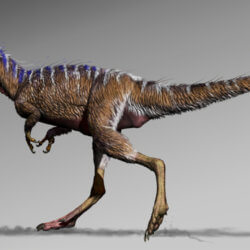
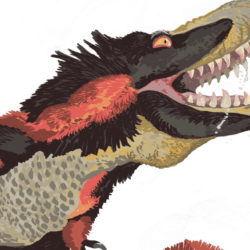



Young, small, svelte tyrannosaurs had different predatory capabilities than the adults and chased after smaller fare. It was only in their teenage years, during a dramatic growth spurt, that these dinosaurs gained their taste for big game. This dinosaurian happenstance allowed tyrannosaurs to nudge other carnivores out of the way—creating ecosystems unlike anything seen today, dominated by a single large predator.






















