
How and when did ‘consciousness’ evolve?

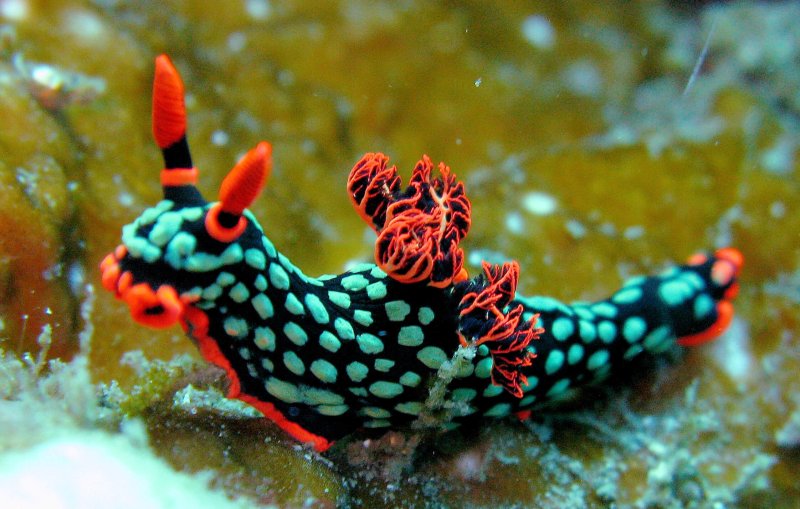
Are sea slugs conscious? Credit: Wikimedia

[To find a reliable marker for consciousness,] we looked at genes, proteins, anatomical brain regions and neurophysiological processes, but none of the many possibilities we examined entailed all the characteristics of consciousness.  After a year of searching we found a promising marker: a capacity for open-ended associative learning, which we called unlimited associative learning.

Mis- and disinformation are distorting science and public policy. Subscribe to our Daily and Weekly Digests for incisive coverage of ‘disruptive’ innovations in AI, agricultural biotechnology, food, chemicals, nuclear energy, vaccines, and other disruptive innovations.

Our survey of the vast (yet very patchy) learning literature of the last 100 years revealed no evidence of UAL in most animal groups, including medusa, flat worms and slugs. It has, so far, been found only in three groups: most of the vertebrates (fish, amphibians, reptiles, birds and mammals), some of the arthropods (e.g., crabs, bees, crickets, cockroaches) and some mollusks (the cephalopod – squid, cuttlefish and octopus).
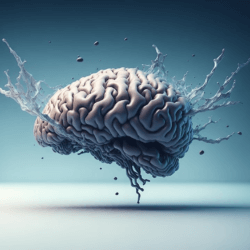
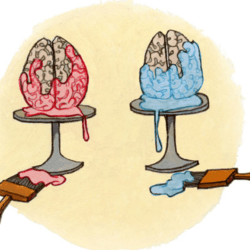
We discovered that although the brains of these animals are anatomically very different, they have similar functional units that generate models of the world, the body, and prospective actions, a memory system that can store composite representations, and an integrating and flexible system that evaluates and updates them. This cognitive architecture gives us a clue to the function of consciousness: it enables the organism to make context-dependent decisions that are based on its subjectively-experienced perceptions and motivations.


This is an excerpt. Read the original post here.

Related Articles

Infographic: Global regulatory and health research agencies on whether glyphosate causes cancer

Infographic: Global regulatory and health research agencies on whether glyphosate causes cancer

Does glyphosate—the world's most heavily-used herbicide—pose serious harm to humans? Is it carcinogenic? Those issues are of both legal and ...

Most Popular

ChatGPT-Image-Mar-10-2026-01_39_01-PM
Viewpoint—“Miracle molecule” debunked: Why acemannan supplements don’t work
Screenshot-2026-10-08-at-10.41.33-AM
Viewpoint: Wellness patches: Most vitamin supplements are useless and sometimes even dangerous, but this craze is even worse
newborn baby spit up gerd
Vaccine-preventable congenital infections are a leading driver of autism
Screenshot-2026-10-14-at-11.45.36-AM
Viewpoint: RFK Jr.’s stacked FDA advisory council endorses multicancer screening test from ethically- questionable company that would increase false positives and waste billions of dollars
Misinformation-Shatters-the-Clockwork-Mind
Viewpoint: The price Americans pay for science denialism
Screenshot-2026-10-15-at-12.13.33-PM
Ahead of the midterms, Meta has paid at least 29 anti-LGBTQ accounts for their posts
Pride and Patriotism in the Breeze
Retreat from identity labels: Does the sharply declining number of young teens identifying as gay and bisexual reflect an ideological shift?
Crossed-Out-Calendar-with-Milk-Carton
Viewpoint: The shocking consequences after a year of Robert F. Kennedy Jr.'s distortions, deceptions, and flat-out falsehoods
Screenshot-2026-10-14-at-12.47.21-PM
Viewpoint: Are these Trump-conservative GOP doctor-politicians violating their medical oath?
Open-Menthol-Cigarette-Pack
How the tobacco industry conspired with conservative activists to kill the Biden administration’s proposed ban on menthol cigarettes 
glp menu logo outlined

Get news on human & agricultural genetics and biotechnology delivered to your inbox.


















