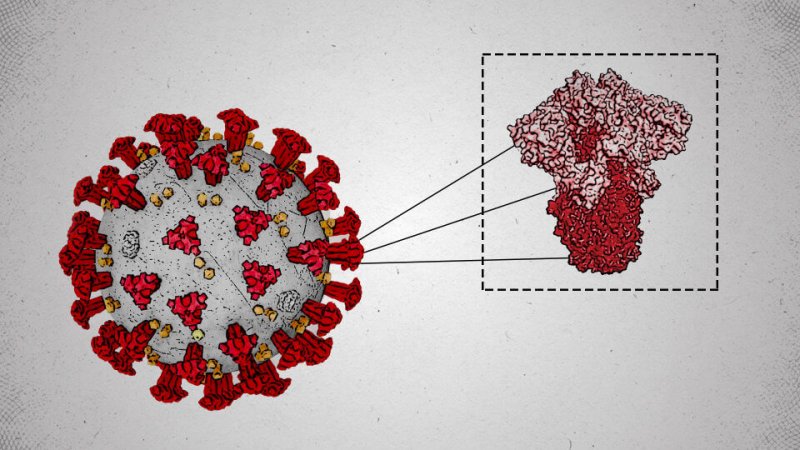
How Delta was birthed and what that says about the potential for deadlier future variants

Credit: Nick Collingwood/WSJ

Somewhere in India last October, a person—likely immunocompromised, perhaps taking drugs for rheumatoid arthritis or with an advanced case of HIV/AIDS—developed COVID-19.

Their case might have been mild, but because of their body’s inability to clear the coronavirus it lingered and multiplied. As the virus replicated and moved from one cell to another, parts of the genetic material copied itself incorrectly. Maybe the person lived in a crowded home or went out to buy food in a busy market, but wherever it happened, the altered virus was spread to others. Experts believe this singular situation in one individual is likely how the Delta variant now wreaking havoc in the U.S. and around the world was born.


Mis- and disinformation are distorting science and public policy. Subscribe to our Daily and Weekly Digests for incisive coverage of ‘disruptive’ innovations in AI, agricultural biotechnology, food, chemicals, nuclear energy, vaccines, and other disruptive innovations.

“Mutations happen when there is viral replication. the best way to stop future variants is to severely limit the amount of viral replication that is occurring in the world,” says David Peaper, a Yale Medicine pathologist who directs the Yale New Haven Hospital Clinical Microbiology Laboratory. That’s why getting everyone in the U.S. and the world vaccinated is the most important thing we can do, he says.


This is an excerpt. Read the original post here. 

Related Articles

Infographic: Global regulatory and health research agencies on whether glyphosate causes cancer

Infographic: Global regulatory and health research agencies on whether glyphosate causes cancer

Does glyphosate—the world's most heavily-used herbicide—pose serious harm to humans? Is it carcinogenic? Those issues are of both legal and ...

Most Popular

Glossy Plastic Bag of Tokens and Labels
Viewpoint: How CNN got played by environmental activists pushing a plastics scare and litigation agenda
Screenshot-2026-10-30-at-11.36.40-AM
An Earth-saving benefit of global warming?: How fossil fuel-burning humans stopped the looming Ice Age
Screenshot-2026-10-21-at-11.30.51-AM
Viewpoint: Yes, our food system stinks, but the attack of ultra-processed foods is often misplaced
ChatGPT-Image-Mar-10-2026-01_39_01-PM
Viewpoint—“Miracle molecule” debunked: Why acemannan supplements don’t work
Bayer Crop Circle in Golden Wheat
Making fertilizer from thin air: Bayer’s gene-editing innovation could dramatically cut chemical fertilizer use in growing food
Patriotic Flag in a Glass Flask
Viewpoint: America Last: From the Pentagon to universities, Trump’s corruption of science could inflict lasting, irreversible damage on U.S. research
Neon Syringe Portrait with BPC-157
Viewpoint: Peptides and medical freedom: The MAHA obsession that can damage your health
Robots in a Futuristic Conference Meeting
Helpful until we’re helpless? Researchers warn AI is gradually eroding human control
Screenshot 2026-07-29 at 10.40
The COVID vaccine turbo cancer scare is back. Science still proves it’s wrong.
Screenshot 2026-10-27 at 10.32
“Do your own research”: What Medicare’s annual open enrollment circus teaches us about the seductive trap of DIY health and science
Screenshot-2026-10-28-at-3.00.44-PM
Viewpoint: Activist attacks on corporations increasingly depend on "attribution" science to target oil companies for  global climate change
glp menu logo outlined

Get news on human & agricultural genetics and biotechnology delivered to your inbox.