New method of locating and targeting mutations promises “letter by letter” genome editing

Gladstone web NB
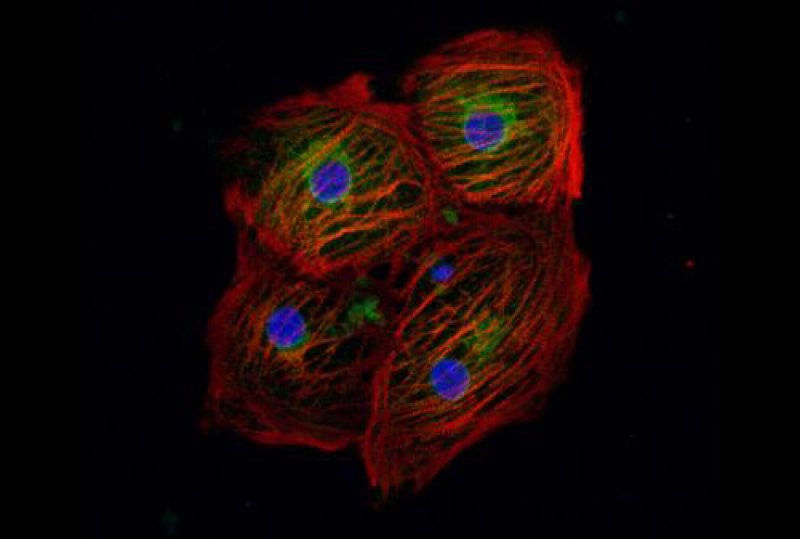
Beating-heart cells derived in which a single DNA base-pair of the PRKAG2 gene was edited using the method developed the Gladstone team. (CREDIT: Luke Judge/Gladstone Institutes, via GEN)

No matter how precise and powerful modern genetic modification techniques become, they’re useless in the battle against genetic disease if we don’t have a similarly precise and powerful way to identify the mutations that cause these diseases. This is the problem researchers at the Gladstone Institutes claim to have solved, according to Genetic Engineering and Biotechnology News:

โ€œFor our method to work, we needed to find a way to identify a single mutation among hundreds of normal, healthy cells,โ€ said Gladstone research scientist Yuichiro Miyaoka, Ph.D., the paper’s lead author. โ€œSo we designed a special fluorescent probe that would distinguish the mutated sequence from the original sequences. We were then able to sort through both sets of sequences and detect mutant cellsโ€”even when they made up as little one in every thousand cells. This is a level of sensitivity more than one hundred times greater than traditional methods.โ€

With this new technique and its increased sensitivity, GEN writes that the Gladstone team hasย “found a way to edit the human genome one letter at a time. They add that this finding will not only boost the ability to model human disease, but will also pave the way for improvedย gene therapyย approaches.”

Read the full, original article here: Editing the Human Genome One Letter at a Time

Additional Resources:


{{ reviewsTotal }}{{ options.labels.singularReviewCountLabel }}
{{ reviewsTotal }}{{ options.labels.pluralReviewCountLabel }}
{{ options.labels.newReviewButton }}
{{ userData.canReview.message }}

Related Articles

Infographic: Global regulatory and health research agencies on whether glyphosate causes cancer

Infographic: Global regulatory and health research agencies on whether glyphosate causes cancer

Does glyphosateโ€”the world's most heavily-used herbicideโ€”pose serious harm to humans? Is it carcinogenic? Those issues are of both legal and ...

Most Popular

Credit: ACSH
Viewpoint: Who and whatโ€™s to blame for the surge in vaccine-preventable diseases?
ChatGPT-Image-May-28-2026-12_56_54-PM
Viewpoint: Vaccines' non-specific effects? The โ€˜shoddyโ€™ Danish couple whose 'researchโ€™ inspires RFK, Jr.โ€™s health delusion
ChatGPT Image Jun 3, 2026, 03_14_43 PM
Viewpoint: How Earthjustice became the poster child for the abuse of special interest activist funding
Organic-Produce
Viewpoint: Why you should ignore organic food advocatesโ€™ advice to avoid โ€˜pesticide soakedโ€™ conventional fruits and vegetables
Screenshot-2026-06-08-at-11.05.51-AM
Can vaping lead to cancer? New โ€˜association studyโ€™ raises questions of โ€œlinks"
Screenshot-2026-06-08-at-10.19.30-AM
โ€˜Naturalโ€™ wellness supplements linked to liver injury
Screenshot-2026-06-05-at-3.30.20-PM
Republican lawmakers spread misinformation claiming solar farms permanently destroy potato farms
Screenshot-2026-06-05-at-2.12.30-PM
Some plants can poison you. So how did humans figure out what is safe to eat?
Screenshot 2025-07-30 at 10.48
Can gene editing eliminate Down syndrome? Scientists have done it in lab-grown cells
edb7f6d7-2370-418f-9578-74e29678e35c
Facts & Fallacies Podcast: Nicotine vapingโ€”public health miracle, or risk to children? Professor Cliff Douglas
ChatGPT-Image-Jun-5-2026-01_17_48-PM
GLP-1 weight-loss drugs may reshape our desires and emotions
glp menu logo outlined

Get news on human & agricultural genetics and biotechnology delivered to your inbox.