95% fewer insecticide applications? How integrated pest management (IPM) strategies can improve crop yields while slashing pesticide use

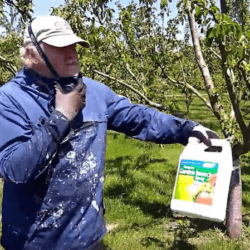
Credit: Matt Kasson
Credit: Matt Kasson

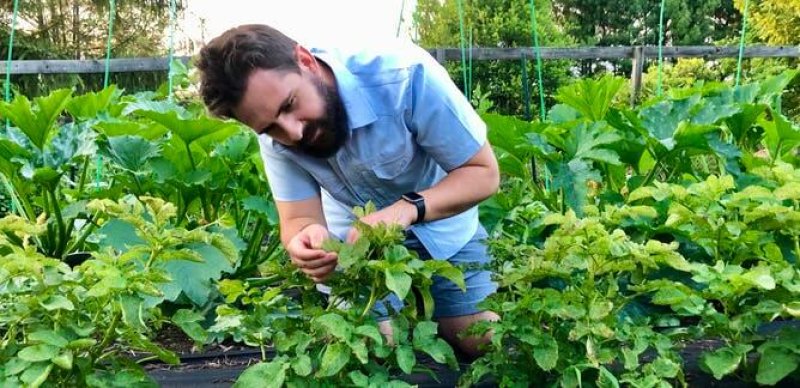
We used a 4-y experiment using commercial-scale fields replicated across multiple sites in the midwestern United States to evaluate the consequences of adopting integrated pest management (IPM) using pest thresholds compared with standard conventional management (CM). 

To do so, we employed a systems approach that integrated coproduction of a regionally dominant row crop (corn) with a pollinator-dependent specialty crop (watermelon). Pest populations, pollination rates, crop yields, and system profitability were measured. 

Mis- and disinformation are distorting science and public policy. Subscribe to our Daily and Weekly Digests for incisive coverage of ‘disruptive’ innovations in AI, agricultural biotechnology, food, chemicals, nuclear energy, vaccines, and other disruptive innovations.

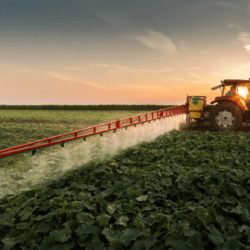
Despite higher pest densities and/or damage in both crops, IPM-managed pests rarely reached economic thresholds, resulting in 95% lower insecticide use (97 versus 4 treatments in CM and IPM, respectively, across all sites, crops, and years). 

In IPM corn, the absence of a neonicotinoid seed treatment had no impact on yields, whereas IPM watermelon experienced a 129% increase in flower visitation rate by pollinators, resulting in 26% higher yields. 
The pollinator-enhancement effect under IPM management was mediated entirely by wild bees; foraging by managed honey bees was unaffected by treatments and, overall, did not correlate with crop yield. 

This proof-of-concept experiment mimicking on-farm practices illustrates that cropping systems in major agricultural commodities can be redesigned via IPM to exploit ecosystem services without compromising, and in some cases increasing, yields.


This is an excerpt. Read the original post here.

Related Articles

Infographic: Global regulatory and health research agencies on whether glyphosate causes cancer

Infographic: Global regulatory and health research agencies on whether glyphosate causes cancer

Does glyphosate—the world's most heavily-used herbicide—pose serious harm to humans? Is it carcinogenic? Those issues are of both legal and ...

Most Popular

Screenshot-2026-09-20-at-9.03.54-AM
From Malaysia to the world: A pioneering science communicator reimagines global science communication for a digital age
ChatGPT-Image-Mar-10-2026-01_39_01-PM
Viewpoint—“Miracle molecule” debunked: Why acemannan supplements don’t work
ChatGPT-Image-Sep-17-2026-12_28_43-PM
Vitamin D, omega-3 fish oil and glucosamine supplements could cause brain damage 
Screenshot-2026-09-16-at-2.26.42-PM
Viewpoint: How to ecologically damage America’s forests: Ban glyphosate
Screenshot-2026-09-20-at-4.31.28-PM
White House drafting executive order to control what OMB Director Vought claims are “woke” NIH science grants
Screenshot-2026-08-12-at-11.31.46-AM
AI is helping develop new vaccines
ChatGPT-Image-Sep-20-2026-04_22_32-PM
What’s Trump’s ‘AI Force’? Administration rushes to announce ill-defined watchdog and czar amid criticism of its resistance to curb AI acceleration
Screenshot-2026-08-19-at-6.19.42-PM
Facts & Fallacies podcast: 'Regenerative farming'? RFK Jr.’s federal push romanticizes the past and risks food security
Screenshot-2026-09-14-at-4.31.14-PM
Viewpoint: What’s the likely impact when the EPA loosens rules limiting methane pollution from oil and gas wells?
ChatGPT-Image-Aug-28-2026-03_33_46-PM
Viewpoint: Bad science—Five bogus Trump administration claims about vaccines and autism
ChatGPT-Image-Sep-20-2026-09_47_55-AM
Trump says he’ll require drugmakers to end multiple vaccine doses, reviving discredited autism claims
ChatGPT-Image-Sep-9-2026-02_48_24-PM
Viewpoint: Trump-RFK Jr. report on “Gender Ideology & Left-wing Ideology’ targets LGBTQ community—and science
glp menu logo outlined

Get news on human & agricultural genetics and biotechnology delivered to your inbox.