‘Unproven and unethical’: Ethicists raise questions about human embryo risk analysis tests

Credit: STAT News
Credit: STAT News

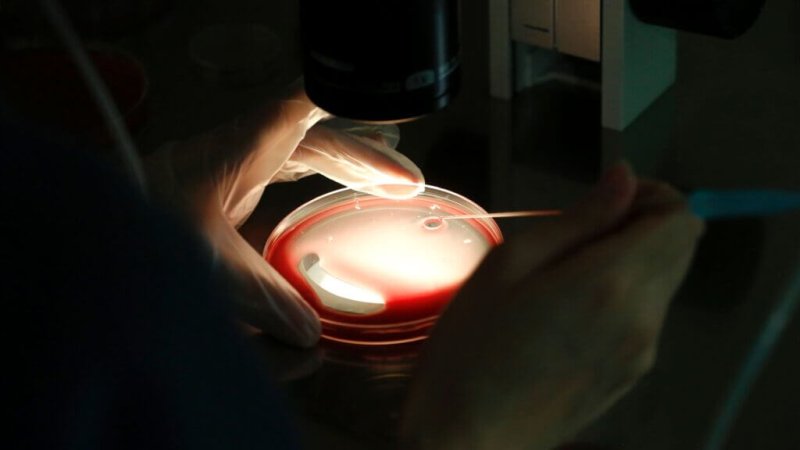
Experts have warned against the “unproven” and “unethical” use of genetic tests to predict the risk of complex diseases in embryos created through IVF.

Though not currently available in the UK, such tests are being marketed in the US and their availability is likely to increase as the technology develops, representatives from the European Society of Human Genetics (ESHG) said.

Writing in the European Journal of Human Genetics, they stressed that there is currently no evidence that the technique called polygenic risk score (PRS) analysis can predict the likelihood of as yet unborn children being at risk of complex diseases such as schizophrenia, type 2 diabetes or breast cancer in later life.

Follow the latest news and policy debates on sustainable agriculture, biomedicine, and other ‘disruptive’ innovations. Subscribe to our newsletter.

The geneticists also called for a societal debate about the future application of such tests, such as selecting for traits like height or intelligence.

“We believe that this is a highly promising field in genetics and for the prevention of disease, but at the [present] stage, it cannot be used,” said the ESHG president, Maurizio Genuardi, a professor of medical genetics at the Catholic University of the Sacred Heart in Rome. “There is no evidence that this kind of selection can lead to better or healthier babies.”


This is an excerpt. Read the original post here. 

{{ reviewsTotal }}{{ options.labels.singularReviewCountLabel }}
{{ reviewsTotal }}{{ options.labels.pluralReviewCountLabel }}
{{ options.labels.newReviewButton }}
{{ userData.canReview.message }}

Related Articles

Infographic: Global regulatory and health research agencies on whether glyphosate causes cancer

Infographic: Global regulatory and health research agencies on whether glyphosate causes cancer

Does glyphosate—the world's most heavily-used herbicide—pose serious harm to humans? Is it carcinogenic? Those issues are of both legal and ...

Most Popular

ChatGPT-Image-Jun-19-2026-04_11_20-PM
Daubert for Dummies—Scientific Reliability in U.S. Courts: Daubert, Rule 702, and Made-for-Litigation Evidence
ChatGPT-Image-Jun-22-2026-09_19_55-PM
The challenge of responding to a measles outbreak in a vaccine-skeptical community
ChatGPT-Image-Jun-3-2026-04_29_13-PM
Viewpoint: While unvaccinated children are dying overseas, Congress challenges Trump and Kennedy’s block on aid
Screenshot-2026-06-22-at-9.04.46-PM
Kennedy’s nutrition prescription for medical schools: Real problem, bad cure
Screenshot-2026-06-19-at-4.32.55-PM
Treat measles with cod liver oil and vitamin A? RFK, Jr.’s recommendation has led to a surge in poisonings
ChatGPT-Image-Mar-10-2026-01_39_01-PM
Viewpoint—“Miracle molecule” debunked: Why acemannan supplements don’t work
Screenshot-2026-06-18-at-3.52.25-PM
‘Plasticity’: Can psilocybin support healthy aging by transforming the brains of older adults?
Screenshot-2026-06-22-at-1.42.53-PM
Viewpoint: The booming longevity anti-aging skin care hoax
ChatGPT-Image-Jun-21-2026-02_33_08-PM
Texas Air Force base flu outbreak soars to over 220 cases, and one soldier has died after Secretary Hegseth scrapped mandatory military flu shots 
screenshot pm
Which is better for building healthy farm soil? Organic offers no special edge.
ChatGPT-Image-Jun-9-2026-01_11_37-PM
Turmeric supplements: More risks than benefits
ChatGPT-Image-Jun-15-2026-11_51_00-AM-4
Viewpoint: As the International Association for Research on Cancer loses influence, activists and trial lawyers scramble to protect a lucrative playbook
c-cd-b-fb-b
Trump administration pushes to bring AI “doctors” into U.S. healthcare. The promise — and the risks.
glp menu logo outlined

Get news on human & agricultural genetics and biotechnology delivered to your inbox.