Why have humans evolved to like sour foods?

Credit: Getty Images

Scientists don’t know much about how our acidic taste evolved.

Enter Rob Dunn. The North Carolina State University ecologist and his collaborators have spent years scanning the scientific literature in search of an answer. In a paper published [recently] in the Proceedings of the Royal Society B, the team reports some clues. Science chatted with Dunn about how, and why, humans like to pucker up.

Mis- and disinformation are distorting science and public policy. Subscribe to our Daily and Weekly Digests for incisive coverage of ‘disruptive’ innovations in AI, agricultural biotechnology, food, chemicals, nuclear energy, vaccines, and other disruptive innovations.

Q: Sweet taste gives us a reward for energy, and bitter alerts us to potential poisons. Why might we have evolved a taste for sour?

A: Sour taste was likely present in ancient fish—they’re the earliest vertebrate animals that we know can sense sour. The origin in fish was likely not to taste food with their mouths, but to sense acidity in the ocean—basically fish “tasting” with the outside of their body.

…
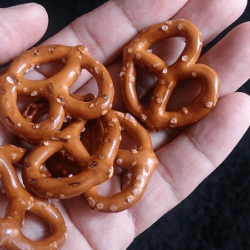
Q: So how did sour detection become paired to eating and drinking?

A: We’ve lost the ability to produce vitamin C, or ascorbic acid, and liking acidic foods might be a way for us and other primate species to be reminded to ingest it. Another argument is that ancient primates ate way more fermented foods than we recognize. One way to tell if rotting fruits are safe is if they’re acidic.


This is an excerpt. Read the original post here.

Related Articles

Infographic: Global regulatory and health research agencies on whether glyphosate causes cancer

Infographic: Global regulatory and health research agencies on whether glyphosate causes cancer

Does glyphosate—the world's most heavily-used herbicide—pose serious harm to humans? Is it carcinogenic? Those issues are of both legal and ...

Most Popular

ChatGPT-Image-Mar-10-2026-01_39_01-PM
Viewpoint—“Miracle molecule” debunked: Why acemannan supplements don’t work
Screenshot-2026-10-01-at-10.52.08-AM
Non-browning CRISPR gene-edited bananas move one step closer to British markets
Screenshot-2026-09-28-at-11.26.17-AM
Viewpoint: Wellness movement activists reposition nicotine from a killer addictive drug into a cure-all for brain ills
strand of dna genetics
No, GMO foods do not “damage genes, natural disposition and hormones, or decrease physical health and intelligence”
Screenshot-2026-09-22-at-10.54.12-AM
‘They misunderstand science’: Research attempting to tie autism to changes in the gut microbiome comes under fire
AI-Force-Leadership-Portrait
Jay Clayton controversy: The divisive history of Trump’s newly-appointed AI czar
Radioactive-Americana-Collage-2
The kooky logic behind the raft of spurious cancer claims from Harvard’s T.H. Chan School of Public Health
Screenshot-2026-10-02-at-9.11.36-AM
The genetics of personality
Screenshot-2026-10-02-at-8.56.38-AM
Trump finalizes Medicare drug price cuts, drawing Big Pharma’s fury and a legal challenge
Screenshot-2026-10-02-at-11.12.24-AM
‘Why do we keep falling for this stuff?’ America’s love affair with snake oil salesmen and scams
ChatGPT-Image-Sep-21-2026-11_21_39-AM
Viewpoint: Food cults: Online ‘nutrition communities’ can pose unique dangers
glp menu logo outlined

Get news on human & agricultural genetics and biotechnology delivered to your inbox.